 EN

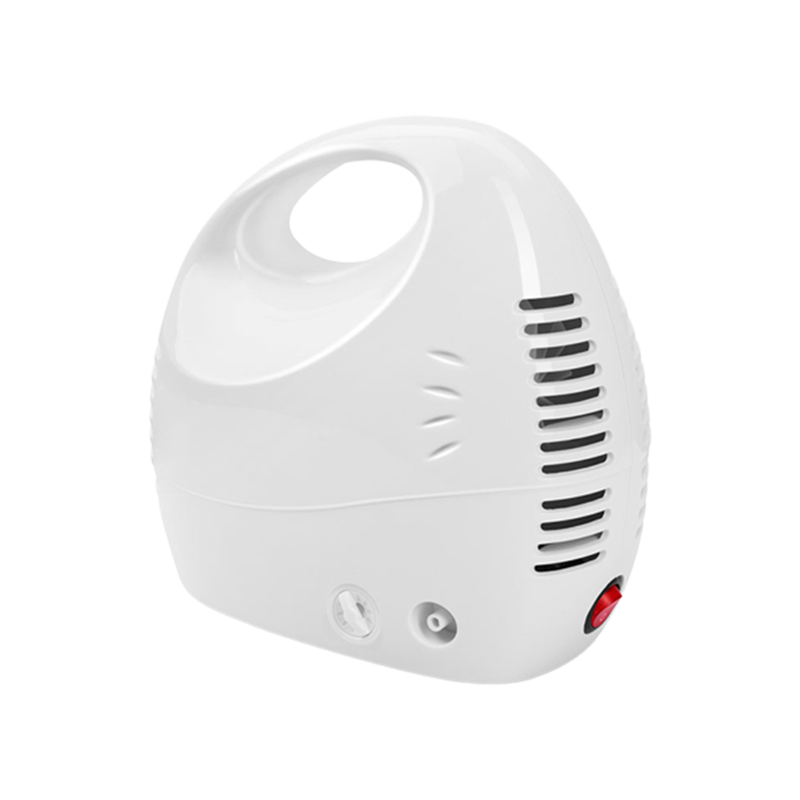
Portable nebulizers, particularly mesh nebulizers, have become essential medical devices for many patients requiring respiratory therapy. Understanding the portable nebulizer battery life is crucial for buyers, including purchasing managers, distributors, and healthcare providers, as it directly impacts usability and patient satisfaction. This article will help you navigate key considerations regarding battery efficiency, common problems, and best practices to ensure optimal performance of mesh nebulizers.
How to Compare Battery Life in Mesh Nebulizers for Wholesale Orders
When assessing battery life in mesh nebulizer for wholesale orders, several technical specifications should be prioritized. Key factors include battery capacity (measured in milliamp-hours, or mAh), charging time, and the device's operational time on a single charge. A higher mAh rating typically means longer usage between charges, which is particularly important for patients who require frequent nebulization sessions.
It’s also vital to consider the nebulizer's power consumption during operation. Factors such as the nebulizing speed and mist output can significantly influence battery life. For example, a nebulizer with a high mist output may consume more power, which can reduce battery life during use. Therefore, buyers should evaluate the operational parameters alongside battery specifications to make informed decisions.
Additionally, asking for real-world performance data from manufacturers can provide insights into expected battery life under various conditions, helping you select the most suitable device for your needs.
A Guide for Importers and Distributors
For importers and distributors of mesh nebulizers, understanding battery life is essential not only for customer satisfaction but also for compliance with international regulations. When sourcing these devices, it is crucial to verify that they meet safety and efficiency standards, such as those set by the FDA and CE.
Ensure you assess the manufacturer's quality control processes, as rigorous testing can directly affect battery performance and safety. Ask about the production methods, materials used, and any certifications that support the durability and reliability of the device's battery life. This ensures that the products you distribute are not only effective but also safe for end-users.
Moreover, consider the packaging methods. Proper packaging can prevent battery damage during transportation, which is particularly important when shipping to various export markets. It is advisable to work with manufacturers who have proven export experience and can demonstrate effective logistics practices.
Installation Tips for Maximizing Mesh Nebulizer Battery Efficiency
To maximize the battery life of mesh nebulizers, proper installation and usage are paramount. First, ensure that the device is set up according to the manufacturer's guidelines, as incorrect assembly can lead to inefficiencies. For instance, check that all components are securely connected and that there are no obstructions in the asthma nebulizer chamber.
Regular maintenance is also crucial. Clean the nebulizer after each use to prevent medication residue from building up, which can impair performance and increase battery drain. Following the recommended cleaning procedures will not only enhance user experience but also prolong the lifespan of the battery.
Additionally, keep an eye on the charging practices. Avoid letting the battery drain completely before recharging, as this can shorten its overall lifespan. Instead, aim to recharge when the battery level is low but not depleted, ensuring the device is always ready for use.
Common Battery Problems in Nebulizers and Effective Solutions
Battery-related issues can severely affect the performance of mesh nebulizers. Common problems include reduced capacity over time, failure to hold a charge, and overheating during use. A typical solution for reduced capacity is to regularly monitor the battery's health and replace it when necessary, especially if the device is used frequently.
If a nebulizer fails to hold a charge, it may indicate an issue with the battery or the charging mechanism. In this case, it’s essential to consult the manufacturer for troubleshooting steps or possible replacements. Overheating can often be attributed to continuous usage without adequate breaks or insufficient airflow around the device. Encourage users to follow recommended usage guidelines and allow the device to cool down between sessions to prevent such issues.
Buyers should always inquire about warranty options and support services from manufacturers, as these are critical when addressing battery-related problems.
Battery Life Considerations
When evaluating battery life, several considerations come into play that can influence purchasing decisions. The specific application of the nebulizer is a primary factor; for instance, patients who require frequent doses may need a device with longer battery life. Additionally, the expected frequency of use and the duration of each session should be factored into the decision-making process.
Customization capabilities can also be significant. Some manufacturers may offer options for enhanced battery life or alternative power solutions tailored to specific user requirements. Discussing these options during the quotation phase can lead to better alignment between product features and buyer expectations.
Lastly, consider the total cost of ownership, which includes not just the purchase price but also battery replacement costs and the potential need for additional accessories. An upfront investment in a high-quality portable nebulizer with a longer battery life can result in lower operational costs over time, making it a more economical choice for healthcare facilities and distributors alike.
By keeping these considerations in mind, buyers can ensure they select a mesh nebulizer that meets their clinical needs and provides reliable performance for patients.