 EN
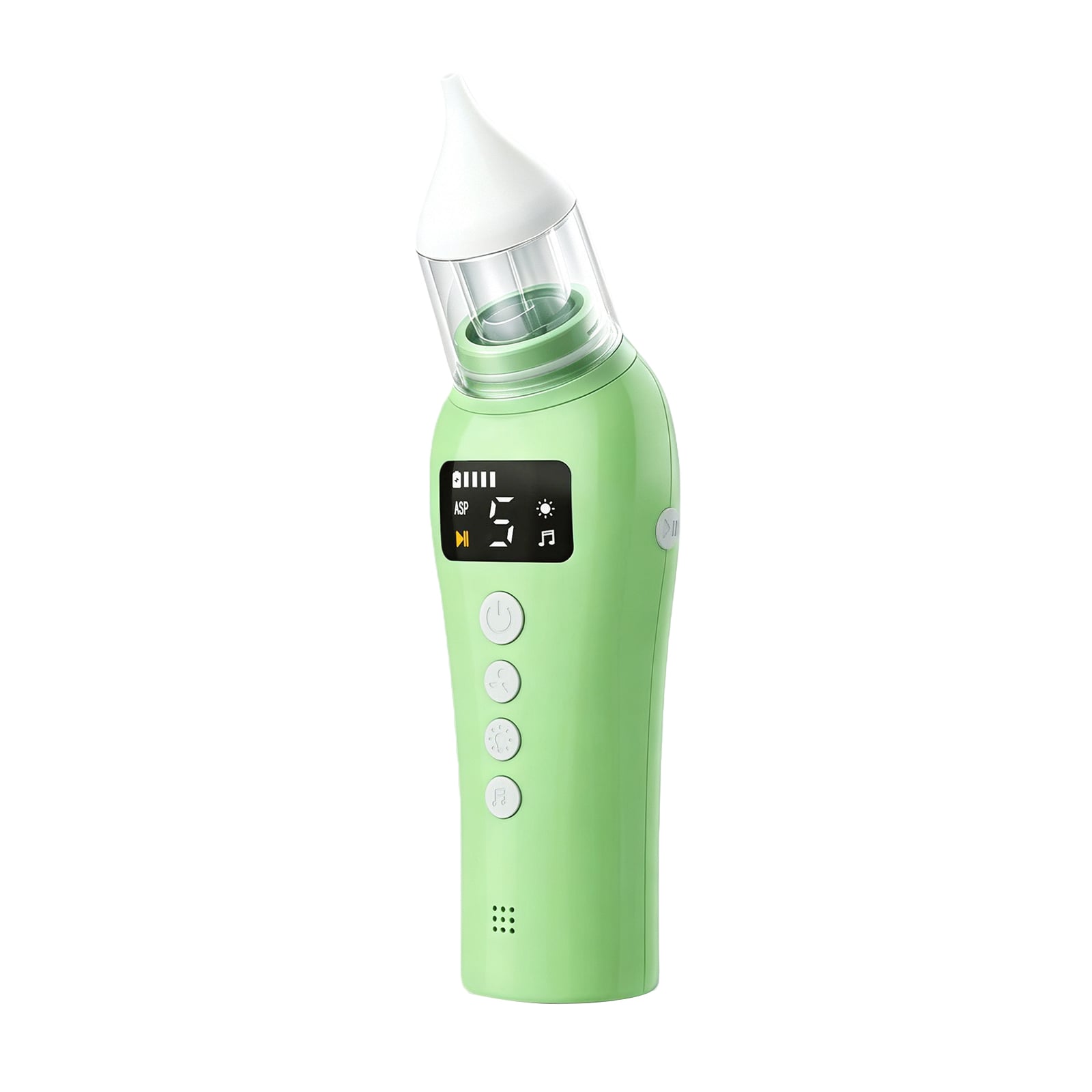
Cleaning a baby nasal aspirator is crucial for preventing bacterial contamination and ensuring the health of infants. As parents and caregivers know, these devices are essential for maintaining clear airways in babies, particularly during cold and allergy seasons. However, improper cleaning can lead to potential health risks, which makes understanding the critical steps in baby nasal aspirator cleaning vital for any purchasing manager, distributor, or healthcare provider involved in the supply chain. This article will provide insights into effective cleaning practices, key product specifications, common issues, maintenance guidance, and material quality considerations.
Understanding the Importance of Baby Nasal Aspirator Cleaning
Cleaning a baby nasal aspirator is not just a routine task; it’s a necessary procedure to prevent bacterial growth that can harm infants. When nasal aspirators are used, mucus and other contaminants can easily accumulate within the device. If these residues are not removed properly, bacteria can breed, leading to infections or respiratory issues in babies.
For B2B buyers, understanding the implications of inadequate cleaning is essential. They should consider the cleaning instructions provided by manufacturers and ensure that the end-users parents and healthcare professionals are well-informed. The cleaning process should be straightforward, enabling users to maintain hygiene without complications. This not only enhances safety but also increases customer satisfaction and loyalty toward the product.
Key Specifications for Quality Baby Nasal Aspirators
When selecting baby nasal aspirator, several specifications should be considered to ensure quality and effectiveness:
Suction Power: The aspirator’s suction strength is vital for its performance. A device with adjustable suction can cater to various needs and ensure effective mucus removal.
Material Composition: The materials used in the construction of the aspirator should be non-toxic and easy to clean. Common materials include medical-grade plastics that resist bacteria and are durable for repeated use.
Design for Cleaning: Aspirators should be designed for easy disassembly, allowing for thorough cleaning of all components. Look for models that feature removable parts and are dishwasher-safe.
Filter System: Some aspirators include filters that trap contaminants, enhancing hygiene. These filters should be easily replaceable and accessible.
Size and Portability: For B2B buyers, the size of the device matters, especially for distribution and retail. Compact models are often preferred for their ease of use and storage.
Understanding these specifications helps buyers select products that not only meet safety standards but also satisfy consumer expectations.
Common Problems with Baby Nasal Aspirators and Their Solutions
While baby nasal aspirators are effective tools, they can encounter several common issues:
Loss of Suction: Over time, aspirators may lose suction power due to clogged filters or improper maintenance. Regularly checking and replacing filters can resolve this issue.
Component Damage: Parts may wear out or break with frequent use. Buyers should ensure that replacement parts are readily available and easy to obtain.
Difficulty in Cleaning: If the design of the aspirator complicates cleaning, it may lead to inadequate hygiene. Buyers should prioritize models known for easy disassembly.
Battery Issues: For battery-operated aspirators, battery life can be a concern. Opting for models with rechargeable batteries or ensuring easy access to battery replacements can mitigate this problem.
Noise Levels: Some aspirators may be too loud for use on sleeping infants. Buyers can look for models specifically designed to operate quietly.
By addressing these common issues, buyers can enhance customer satisfaction and reduce returns.
Technical Guidance for Maintaining Baby Nasal Aspirators
Proper maintenance of baby nasal aspirators is essential to prolong their lifespan and effectiveness. Here are some practical tips for maintaining these devices:
Follow Manufacturer Instructions: Always refer to the user manual for specific cleaning and maintenance guidelines. This includes recommendations on the frequency of cleaning and acceptable cleaning agents.
Regular Inspection: Periodically inspect the aspirator for any signs of wear, such as cracks in the body or deterioration of seals. Early identification of issues can prevent more significant problems later.
Thorough Cleaning: After each use, clean all components with warm, soapy water. Pay special attention to areas where mucus can accumulate. For electric models, ensure that electrical components are protected from water.
Safe Storage: Store the baby nasal aspirator in a clean, dry place to prevent exposure to contaminants. Consider using a protective case if available.
User Education: Providing users with clear instructions on how to maintain their aspirators can lead to better hygiene practices and longer device life.
Technical guidance on maintenance helps buyers understand the importance of these tasks, ultimately leading to better product performance and customer satisfaction.
Evaluating Material Quality in Baby Nasal Aspirator Manufacturing
The materials used in the production of baby nasal aspirators significantly influence their safety, durability, and effectiveness. Key considerations include:
Non-Toxic Materials: Ensure that the materials are free from harmful chemicals such as BPA (bisphenol A) and phthalates. These substances can pose health risks, particularly to infants.
Durability: The selected materials should withstand frequent use without degrading. High-quality plastics or silicone are often preferred for their resilience and ease of cleaning.
Hygienic Properties: Materials should resist bacterial growth. Anti-microbial additives can be beneficial in reducing the risk of contamination.
Compatibility with Cleaning Agents: The material needs to withstand various cleaning agents without degrading. It’s essential that the aspirator can be cleaned effectively without compromising its integrity.
Regulatory Compliance: Ensure that materials comply with relevant safety standards and regulations, such as FDA or CE certifications, which indicate that they have been tested for safety.
By evaluating material quality, B2B buyers can select aspirators that not only meet safety standards but also provide reliability and convenience for end-users.
Understanding baby electric nasal aspirator cleaning, specifications, common issues, maintenance, and material quality is essential for B2B buyers in the medical device industry. By focusing on these aspects, buyers can make informed decisions that ensure the safety and satisfaction of customers, ultimately contributing to the success of their product offerings.
Table of Contents
- Understanding the Importance of Baby Nasal Aspirator Cleaning
- Key Specifications for Quality Baby Nasal Aspirators
- Common Problems with Baby Nasal Aspirators and Their Solutions
- Technical Guidance for Maintaining Baby Nasal Aspirators
- Evaluating Material Quality in Baby Nasal Aspirator Manufacturing