 EN

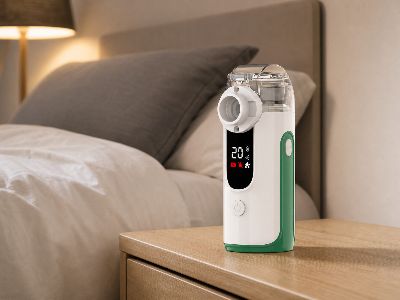
Building a home respiratory device catalog, particularly focusing on nebulizer machines, is essential for distributors looking to meet the growing demand for effective respiratory care products. This article will delve into key considerations for sourcing and purchasing nebulizer machines in bulk, addressing common concerns such as specifications, cost factors, and essential features that can enhance product offerings. By understanding these elements, purchasing managers and distributors can make informed decisions when expanding their product catalogs.
Understanding the Specifications for Nebulizer Machines in Bulk Orders
When evaluating nebulizer machines for bulk orders, it is critical to understand the specifications that directly impact performance and reliability. Key specifications include the type of nebulizer (compressor or mesh), particle size output, medication capacity, and power consumption.
Type: Compressor nebulizers are often more robust and suitable for a wider range of medications, while mesh machine nebulizer are portable and quieter, making them popular for home use.
Particle Size Output: The effectiveness of a nebulizer is influenced by the aerosol particle size it generates, typically measured in micrometers (µm). A particle size of 1-5 µm is ideal for delivering medication to the lower respiratory tract effectively.
Medication Capacity: This specification indicates how much medication the device can hold and is essential for determining the duration of treatment.
Power Consumption: Understanding power requirements will help assess operational costs and compatibility with home settings.
Distributors should ensure that these specifications align with the needs of their target market, as well as regulatory requirements in their regions.
Where to Source Reliable Nebulizer Machines for Wholesale Purchasing?
Sourcing reliable nebulizer machines requires a strategic approach to identify manufacturers who meet quality and compliance standards.
Shenzhen Fitconn Technology Co., Ltd., for instance, is an established manufacturer known for its FDA, CE, and ISO 13485 certifications, which ensure that their products comply with international health and safety standards. Distributors should consider the following sourcing strategies:
Direct Manufacturer Relationships: Establishing a direct relationship with manufacturers can often yield the best pricing and support. This allows for personalized service and possibly customization options.
Trade Shows and Industry Conferences: Attending industry-specific events can facilitate face-to-face interactions with manufacturers and provide insights into new technologies and product innovations.
Online Platforms: Utilizing B2B marketplaces can help compare multiple suppliers but requires careful evaluation of supplier credibility and product quality.
References and Reviews: Checking references and reading reviews from other distributors can provide insights into the reliability of the manufacturer and the quality of their products.
By following these strategies, distributors can secure high-quality nebulizer machines that meet the expectations of their customers.
Cost Factors to Consider When Purchasing Nebulizers in Bulk
Cost considerations play a crucial role in determining the feasibility of purchasing nebulizers in bulk. Key factors influencing costs include:
Unit Price: The initial cost per unit typically decreases with higher order quantities, but distributors should also consider the total cost of ownership, which includes shipping, handling, and storage.
Customization: If personalization is required for branding or specific market needs, the cost may increase. Understanding the minimum order quantities (MOQ) for customized products is essential.
Shipping Costs: Bulk orders may incur substantial shipping costs, especially if sourced internationally. Distributors should weigh these costs against potential savings on unit prices.
Warranty and After-Sales Support: Including warranties and after-sales services in the total cost evaluation can help avoid unexpected expenses down the line.
Regulatory Fees: Depending on the region of sale, there may be additional regulatory fees that can affect overall pricing.
Distributors should conduct a comprehensive cost analysis that encompasses these factors to ensure profitable purchasing decisions.
A Comprehensive Overview
Nebulizer machines are a crucial component of respiratory therapy, providing medication to patients with various respiratory conditions. They come in different types, such as compressor and mesh nebulizers, each with distinct operational principles and advantages.
Compressor Nebulizers: These use a compressor to create a stream of air that turns liquid medication into mist. They are generally more durable and capable of handling a broader range of medications.
Mesh Nebulizers: These utilize a vibrating mesh to produce aerosol particles. They are quieter and portable, making them suitable for home use or travel.
Distributors should be aware of the specific advantages of each type, as well as their market demand, to tailor their offerings effectively.
Key Features and Benefits
When building a catalog of nebulizer machines, highlighting key features and benefits is essential to attract potential buyers. Consider these critical aspects:
Portability: Mesh nebulizers often feature lightweight designs and battery operation, appealing to users seeking convenience for travel.
Ease of Use: User-friendly interfaces and easy-to-clean components enhance user experience. Buyers will appreciate devices that simplify operation, especially for elderly patients or caregivers.
Fast Delivery Times: Nebulizers that deliver medication quickly can improve patient outcomes. Specifications related to nebulization time should be clearly stated.
Quiet Operation: Machines that operate quietly are especially desirable for home use, where noise may disrupt other activities.
Durability and Warranty: High-quality materials and robust construction lead to longer lifespans, and a solid warranty can build trust with buyers.
By focusing on these features, distributors can effectively communicate the value of their nebulizer offerings to prospective clients, enhancing their market competitiveness.
In summary, when building a home respiratory device catalog, particularly around portable nebulizer machine, distributors must pay close attention to specifications, sourcing strategies, cost factors, and key features. This knowledge will enable them to make informed purchasing decisions, ultimately leading to better product offerings that meet the needs of their clientele.