 EN
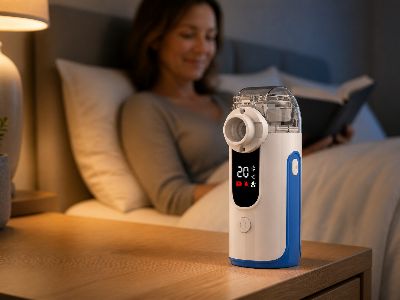
Selecting reliable nebulizer machine suppliers is crucial for medical supply businesses. Nebulizers are essential devices that convert liquid medication into mist, making it easier for patients to inhale. With numerous options available, buyers must consider factors such as product quality, supplier reliability, and compliance with medical standards. This article will guide you through the key specifications to evaluate, purchasing tips, and common issues you may encounter, enabling you to make informed decisions when sourcing nebulizer machines.
Key Specifications to Evaluate When Sourcing Nebulizer Machines
When sourcing nebulizer machines, it's essential to focus on several key specifications that directly impact performance and usability:
Type of Nebulizer: There are two primary types of nebulizers: compressor and mesh. Compressor nebulizers are more common for home use, while mesh machine nebulizer are generally quieter and portable, making them ideal for travel. Understanding your target market's preferences can guide your selection.
Medication Capacity: Evaluate the medication chamber's capacity, which typically ranges from 5 to 10 mL. A larger capacity may be beneficial for patients requiring higher doses, but it could also affect the device's size and portability.
Particle Size: The size of aerosolized particles is crucial for effective drug delivery. Look for nebulizers that produce particles in the range of 1 to 5 micrometers, which are optimal for reaching the lower airways. This specification can significantly impact the effectiveness of the treatment.
Power Source: Consider whether the nebulizer is battery-operated or requires an electrical outlet. Portable, battery-operated models can enhance accessibility for patients who travel frequently or have limited mobility.
Noise Level: The noise produced during operation can affect patient comfort, especially for children or those using the device at night. Aim for ultrasonic nebulizer with sound levels below 60 dB to ensure a more pleasant user experience.
Certifications: Ensure that the nebulizers comply with international standards, such as FDA, CE, and ISO 13485. These certifications indicate that the products meet rigorous quality and safety criteria, which is crucial for building trust with your customers.
Wholesale Purchasing Tips for Nebulizer Machines and Accessories
Navigating the wholesale purchasing landscape for nebulizer machines requires strategic planning and understanding of market dynamics:
Establish Relationships: Build strong relationships with multiple suppliers to diversify your sourcing options. This approach can help mitigate risks and provide leverage during negotiations.
Request Samples: Before placing large orders, request samples to evaluate the product's quality and performance. Testing samples under real-world conditions is critical to ensure they meet your specifications and customer expectations.
Volume Discounts: Inquire about bulk purchasing options and volume discounts. Many suppliers offer tiered pricing, which can significantly reduce per-unit costs, enhancing your profitability.
Lead Times: Confirm lead times for production and shipping. Understanding the timeline helps you manage inventory levels and ensures you meet customer demands without delays.
Packaging Options: Discuss packaging methods with suppliers to ensure the products are adequately protected during shipping. Proper packaging can reduce the risk of damage and returns.
Minimum Order Quantities (MOQ): Be aware of the supplier's MOQ. Some manufacturers require a minimum number of units per order, which can impact your initial investment and cash flow.
What Buyers Should Know?
Understanding the nuances of nebulizer machine procurement can significantly impact your purchasing strategy:
Customization Opportunities: Some suppliers offer customization options, such as branding or specific features tailored to your market needs. Engaging with suppliers about customization can enhance your product appeal.
Quality Control Processes: Investigate the supplier's quality control measures. Reliable suppliers implement stringent quality checks at various production stages to ensure consistency and reliability in their products.
Technical Support: Ensure your suppliers provide adequate technical support and documentation. This support can be invaluable for troubleshooting issues and ensuring proper usage of the devices.
Market Trends: Stay informed about market trends and emerging technologies in nebulizer devices. Understanding the competitive landscape will help you anticipate customer needs and adapt your offerings accordingly.
Regulatory Compliance: Familiarize yourself with the regulatory requirements for medical devices in your target markets. Compliance is essential to avoid legal issues and ensure product acceptance.
Understanding Cost Factors in Nebulizer Machine Procurement
Several cost factors should be considered when procuring nebulizer machines:
Material Costs: The choice of materials used in nebulizers can significantly influence pricing. High-quality, durable materials may come at a premium but can enhance product longevity and performance.
Production Techniques: Different manufacturing processes can affect costs. For example, automated production lines may reduce labor costs but require higher initial investments in machinery.
Transportation Costs: Shipping and logistics can add to the overall procurement costs. Evaluate various shipping options and consider consolidating shipments to reduce expenses.
Market Demand: Fluctuations in market demand can impact pricing. Understanding seasonal trends and patient needs can help you anticipate price changes and adjust your purchasing strategy accordingly.
After-Sales Support: Factor in any after-sales services or warranties offered by suppliers. While some suppliers may have a lower upfront cost, inadequate support can lead to higher long-term expenses due to returns or maintenance needs.
Common Problems with Nebulizers and Solutions from Suppliers
Being aware of common issues associated with nebulizers can help buyers prepare for potential challenges:
Clogged Nebulizers: One of the most frequent problems is clogging, often caused by improper cleaning or using unsuitable medications. Suppliers should provide clear guidelines on maintenance and cleaning to help users avoid this issue.
Inconsistent Particle Size: Variability in particle size can affect medication delivery. This issue may arise from improper maintenance or manufacturing defects. Buyers should verify that suppliers have robust quality control processes in place to address these concerns.
Battery Life: For battery-operated nebulizers, short battery life can be a significant issue. It's essential to choose models with reliable batteries and to discuss replacement options with suppliers.
Noise Issues: Excessive noise can deter patients from using nebulizers. Engage with suppliers to determine which models are designed for quieter operation, especially if targeting pediatric or elderly markets.
User Error: Many problems stem from user errors, such as improper assembly or medication dosage. Suppliers can provide instructional materials and support to minimize these issues.
By understanding these aspects, buyers can make informed decisions when selecting reliable nebulizer machine suppliers for their medical supply businesses. Engaging with experienced manufacturers like Shenzhen Fitconn Technology Co., Ltd. can further enhance your procurement strategy, ensuring that you provide high-quality products to your customers.