 EN

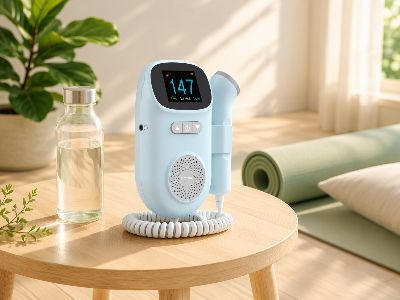
Fetal Dopplers are essential medical devices used by expecting parents to monitor their baby's heart rate during pregnancy. However, understanding fetal Doppler safety is crucial for ensuring a positive experience. This article discusses important dos and don’ts for expecting parents, focusing on key specifications to consider when selecting a device, cost and quality factors, essential buyer knowledge, safe usage practices, and common problems with fetal doppler along with effective solutions. By addressing these areas, we aim to equip buyers with the knowledge needed to make informed decisions.
Key Specifications for Selecting a Reliable Fetal Doppler Device
When selecting a fetal Doppler, buyers should consider specifications that directly impact the device's performance and usability. Key specifications include frequency, sensitivity, and battery life. The frequency, typically between 2 and 3 MHz, determines the device's ability to pick up fetal heart sounds. A higher frequency can provide clearer signals but may not penetrate as deeply, which is crucial for early pregnancy monitoring.
Sensitivity refers to the device’s capability to detect faint heartbeats, which is particularly important during the early stages when the fetus is still small. Battery life is another critical factor; a device with longer battery life ensures that it can be used for extended periods without interruption, making it more convenient for regular monitoring. Buyers should also check for certifications such as FDA and CE, which indicate compliance with safety standards.
Cost and Quality Factors
The cost of fetal Dopplers can vary significantly based on features, brand reputation, and quality. While it might be tempting to opt for the lowest-priced model, buyers should consider the quality and reliability of the device to avoid issues later. Quality factors often include the materials used in manufacturing and the technology behind the device.
Devices manufactured under standardized workflows, like those from Shenzhen Fitconn Technology Co., Ltd., often come with higher quality assurance due to rigorous testing and inspection processes. Common price points for reliable portable fetal doppler range from $50 to $300, depending on the features. Buyers should assess whether the price reflects the quality and if it fits their budget while ensuring safety and functionality.
What Buyers Should Know?
Before purchasing a fetal Doppler, buyers should gather specific information to streamline the buying process. Key considerations include the intended use whether for home monitoring or clinical settings as this can influence the type of doppler fetal device needed. Additionally, understanding customization options can help tailor the device to specific user needs, such as preferred features or design.
Buyers should also inquire about the manufacturer's after-sales service, warranty, and support options. A reputable manufacturer will provide comprehensive customer service, including troubleshooting and maintenance assistance. This is particularly important for medical devices, where user confidence and device reliability are paramount.
Ensuring Safe Use
Safety is a top priority when using fetal Dopplers. Expecting parents should follow the manufacturer's instructions carefully to avoid misuse. It is recommended to use the device in a quiet environment to minimize interference and ensure accurate readings.
Users should be aware of the duration and frequency of use; prolonged exposure to ultrasound waves, even at low levels, should be avoided. Most guidelines suggest using the Doppler for short sessions, ideally under 10 minutes at a time. Regular inspection of the device for damage or defects is also advisable to ensure it operates safely.
Additionally, it’s crucial to monitor the battery life and replace it as needed to prevent malfunction during use. Proper storage of the device, away from extreme temperatures and moisture, can also enhance safety and longevity.
Common Problems with Fetal Dopplers and Effective Solutions
Even with quality devices, users may encounter common issues when using fetal Dopplers. One frequent problem is difficulty in detecting the fetal heartbeat. This can arise from incorrect positioning of the probe, especially during early pregnancy when the fetus is smaller. To address this, users should experiment with different positions, tilting the probe at various angles and moving it slowly across the abdomen.
Another issue can be poor battery performance, leading to the device shutting down unexpectedly. Buyers should ensure they are using the correct battery type and replace old batteries promptly. Keeping a spare set on hand can prevent interruptions during monitoring.
If users experience persistent issues, they should consult the manufacturer's customer service for further assistance. Regular maintenance and calibration can also help ensure that the device remains reliable over time.
In summary, understanding fetal Doppler safety is vital for expecting parents who want to monitor their baby's health effectively. By considering key specifications, cost and quality, essential buyer knowledge, safe usage practices, and common problems, they can make informed purchasing decisions that prioritize both safety and functionality.