 EN

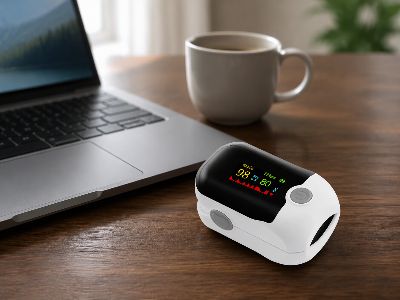
Pulse oximeters are vital medical devices that measure blood oxygen saturation levels, providing essential insights into a patient's respiratory health. However, many B2B buyers often wonder, "Can pulse oximeter readings be wrong?" Understanding the factors that affect oximeter accuracy is crucial for purchasing managers, healthcare providers, and distributors to ensure they select reliable devices for their needs. This article will help you uncover the common sources of inaccuracy, guide you in choosing a dependable pulse oximeter, and provide practical advice on sourcing high-quality devices.
What Factors Can Lead to Inaccurate Pulse Oximeter Readings?
Several factors can affect the accuracy of pulse oximeter readings. These include:
Poor Sensor Placement: The positioning of the sensor on the finger or earlobe can significantly impact the reading. If the sensor does not have a proper fit or is placed on a cold extremity, it may yield erroneous results.
Motion Artifacts: Excessive movement during measurement can cause inaccuracies. For instance, if a patient is shivering or if the device is moved while taking a reading, the oximeter may not function correctly.
Nail Polish and Artificial Nails: Dark nail polish or artificial nails can obstruct the sensor’s ability to detect blood flow accurately. It's advisable to remove such items before measurement.
Skin Pigmentation: Studies have indicated that skin pigmentation can influence the readings of pulse oximeters, leading to potential inaccuracies in darker-skinned individuals.
Peripheral Circulation: Conditions that affect blood circulation, such as peripheral vascular disease or low blood pressure, can lead to unreliable readings. The portable oximeter may struggle to get an accurate reading due to insufficient blood flow.
Environmental Interference: Bright light sources, especially infrared and sunlight, can interfere with the sensor’s readings. Ensuring the measurement is taken in a controlled lighting environment can help mitigate this issue.
Understanding these factors is critical when evaluating the performance of pulse oximeters. Buyers should consider these variables when selecting devices, especially for clinical settings.
How to Choose a Reliable Pulse Oximeter for Your Needs?
When selecting a pulse oximeter, consider the following aspects to ensure accuracy and reliability:
Type of Device: There are various types available, including handheld, fingertip, and wrist-mounted models. For clinical use, a handheld or tabletop device may be more robust and provide advanced features compared to a fingertip model.
Measurement Range: Check the oximeter's specifications for its measurement range. A reliable device should accurately measure oxygen saturation from 70% to 100%.
Display Quality: A clear display is essential for quick reading. Look for devices with backlit screens and adjustable brightness to enhance visibility in different lighting conditions.
Battery Life: Consider the battery life of the device, especially if it will be used in a portable setting. Long battery life reduces the frequency of recharging or changing batteries.
Data Storage and Connectivity: Some pulse oximeters come equipped with data storage capabilities or Bluetooth connectivity, allowing for easy data transfer to electronic health records. This feature is particularly useful for healthcare providers managing multiple patients.
Certifications: Ensure the pulse oximeter has the necessary certifications, such as FDA and CE marks, indicating compliance with safety and efficacy standards. Shenzhen Fitconn Technology Co., Ltd. manufactures devices that meet these rigorous standards, ensuring quality and reliability.
By focusing on these key considerations, you can select a pulse oximeter that meets your specific requirements and minimizes the risk of inaccuracies.
A Buyer’s Guide
When preparing to purchase pulse oximeters, keep the following steps in mind:
Define Your Needs: Determine the specific use cases for the pulse oximeters. Are they for hospital settings, home care, or sports applications? This will influence the type and features required.
Request Specifications: When contacting suppliers, be clear about the specifications you need. This includes measurement range, accuracy, display type, and any additional features.
Inquire About Minimum Order Quantities (MOQs): Understand the MOQ required by the manufacturer. This is particularly relevant for bulk orders and can vary by supplier.
Assess Customization Options: If you require specific features or branding, ask about customization capabilities. Shenzhen Fitconn Technology Co., Ltd. offers various customization options to meet unique buyer needs.
Evaluate Quality Control Processes: Investigate the manufacturer's quality control measures. A reliable supplier should have a well-defined quality management system in place to ensure product consistency.
Check Reviews and References: Look for testimonials or case studies from other buyers. This can provide insights into the supplier’s reliability and product performance.
Confirm After-Sales Support: Understand the after-sales support provided, including warranty periods and service options. A dependable supplier will offer support to address any issues post-purchase.
By following this guide, buyers can make informed decisions that align with their specific needs and ensure they procure high-quality portable pulse oximeter.
Where to Source High-Quality Pulse Oximeters for Bulk Orders?
Sourcing high-quality pulse oximeters for bulk orders involves several strategies:
Direct Contact with Manufacturers: Approaching manufacturers like Shenzhen Fitconn Technology Co., Ltd. directly can provide you with competitive pricing and the opportunity to discuss customization options and specific requirements.
Industry Trade Shows: Participating in medical device trade shows can help you connect with multiple suppliers and evaluate different products firsthand. This also offers the chance to discuss terms and pricing directly with manufacturers.
Online Marketplaces: Platforms like Alibaba or global trade websites can be useful for finding suppliers. However, ensure to vet these suppliers thoroughly by checking reviews and ratings.
Networking: Utilize industry connections to find reliable suppliers. Fellow professionals in the healthcare field can often recommend trustworthy manufacturers based on their experiences.
Request Samples: Before placing a large order, request samples to evaluate product quality and accuracy. Testing the devices in real-world scenarios can help confirm their reliability.
Taking the time to source from reputable suppliers ensures that your organization receives high-quality pulse oximeters that meet your accuracy and reliability requirements.
Accuracy and Quality Factors
The accuracy of pulse oximeters is influenced by various quality factors that purchasers should be aware of:
Calibration Standards: Ensure the device is calibrated according to established standards. Regular calibration checks are necessary to maintain accuracy, especially in clinical settings.
Component Quality: The materials used in the manufacturing process play a significant role in the overall accuracy. High-quality sensors and components lead to better performance and longevity.
Manufacturing Processes: Understanding the manufacturing processes can provide insights into the reliability of the devices. Shenzhen Fitconn Technology Co., Ltd. adheres to standardized workflows and quality control measures to produce devices that meet international standards.
Environmental Considerations: Consider how environmental factors, such as temperature and humidity, may affect device performance. A reliable supplier will provide guidelines on optimal usage conditions.
User Training: Proper training for users is essential for ensuring that devices are used correctly, minimizing the chances of inaccuracies due to user error.
By focusing on these accuracy and quality factors, buyers can ensure they are selecting pulse oximeters that provide reliable and trustworthy readings, ultimately supporting better patient outcomes.