 EN

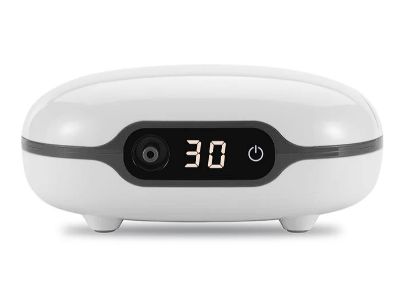
A compressor nebulizer is a crucial medical device used to deliver medication directly into the lungs, particularly for patients with respiratory conditions. However, like any medical equipment, it can encounter issues that require troubleshooting. , we will explore common problems associated with compressor nebulizers, focusing on practical solutions and maintenance tips. For purchasing managers, distributors, and healthcare professionals, understanding these aspects can help ensure effective use and reliability of nebulizers in clinical settings.
Troubleshooting Common Compressor Nebulizer Issues and Solutions
Compressor nebulizers may face a variety of operational challenges, which can impede their effectiveness. Common issues include:
No Mist Production: This can occur due to a clogged medication cup or improper assembly. To resolve this, check for blockages, clean the nebulizer parts, and ensure that the medication cup is correctly attached.
Inconsistent Medication Delivery: If the nebulizer does not deliver medication consistently, inspect the airflow. This can be caused by a faulty compressor or a worn-out nebulizer kit. Replacing these components can restore proper function.
Excessive Noise: While some noise is expected, excessive sound may indicate a malfunctioning compressor. In such cases, it’s advisable to have the device inspected and potentially replaced.
Leaking Medication: This can happen if the nebulizer is not properly assembled or if there are damaged seals. Ensure all parts are correctly fitted and inspect for any wear that may require replacement.
Regular maintenance, including cleaning and timely replacement of parts, can help prevent these issues.
How to Identify and Fix Compressor Nebulizer Performance Problems
To ensure optimal performance of a compressor nebulizer, it is vital to identify potential problems early. Key indicators of performance issues include:
Reduced Airflow: If the airflow is weak, check for blockages in the tubing or filters. Cleaning or replacing filters can often resolve this issue.
Longer Treatment Times: If treatments are taking longer than usual, portable nebulizer
may indicate a need for replacement of the nebulizer cup or the compressor. Testing the nebulizer with a new cup can help confirm whether the issue is with the device or the medication delivery system.
Increased Medication Residue: If you notice more medication residue in the cup than normal, this may be due to improper nebulization. Check the angle and position of the nebulizer during use, as incorrect positioning can impede medication delivery.
By addressing these performance problems promptly, healthcare providers can ensure effective treatment for patients.
Where to Find Reliable Suppliers for Nebulizer Equipment Wholesale
When seeking suppliers for compressor nebulizers, nebuliser machine is important to evaluate potential partners thoroughly. Start by considering suppliers with established reputations in the medical device industry, such as Shenzhen Fitconn Technology Co., Ltd. Look for the following criteria:
Certifications: Ensure suppliers hold relevant certifications such as FDA and CE, which indicate compliance with safety and quality standards.
Product Range: A supplier with a diverse product lineup, including various types of nebulizers and related medical devices, can provide better options for your needs.
Customization Capabilities: Some healthcare facilities may require customized solutions. Suppliers that offer tailored products can better meet specific application requirements.
After-Sales Support: Reliable after-sales service, including maintenance and parts replacement, is crucial for ensuring long-term performance.
Researching online reviews and requesting samples can also provide insights into the supplier's reliability and product quality.
What to Look for in Nebulizer Products
When evaluating nebulizer products for purchase, consider the following key factors:
Specifications: Understand the technical parameters of each nebulizer, including its particle size output, compressor pressure, and medication capacity. portable nebulizer machine
information can help determine its suitability for specific medications and patient needs.
Materials: Look for nebulizers made from medical-grade materials that are durable and easy to clean. Ensuring that the materials are compatible with the intended medications is also important to avoid chemical interactions.
Ease of Use: The design should facilitate straightforward operation, especially for patients who may require assistance. Features like intuitive controls and lightweight construction can enhance usability.
Maintenance Requirements: Consider products that have clear maintenance guidelines. Nebulizers that are easy to disassemble and clean will support better hygiene and prolong the device's lifespan.
Warranty and Support: A robust warranty and responsive customer support can provide peace of mind regarding the product's longevity and reliability.
By focusing on these aspects, buyers can select nebulizers that align with clinical needs and enhance patient care.
Common Application Scenarios for Compressor Nebulizers in Healthcare
Compressor nebulizers play a vital role in various healthcare scenarios, particularly for patients with respiratory conditions. Common applications include:
Asthma Management: Nebulizers are frequently used to deliver bronchodilators and corticosteroids directly to the lungs, providing rapid relief during asthma attacks.
Chronic Obstructive Pulmonary Disease (COPD) Treatment: For patients with COPD, nebulizers can facilitate the administration of maintenance medications, helping to manage symptoms and improve quality of life.
Pediatric Care: Children may find using nebulizers easier than inhalers, making them a preferred choice for delivering respiratory medications to young patients.
Preoperative and Postoperative Care: Nebulizers can be used to maintain clear airways in patients undergoing surgery, especially those with pre-existing respiratory conditions.
Understanding these applications can help healthcare providers make informed decisions when selecting nebulizers for specific patient needs.
Table of Contents
- Troubleshooting Common Compressor Nebulizer Issues and Solutions
- How to Identify and Fix Compressor Nebulizer Performance Problems
- Where to Find Reliable Suppliers for Nebulizer Equipment Wholesale
- What to Look for in Nebulizer Products
- Common Application Scenarios for Compressor Nebulizers in Healthcare