 EN

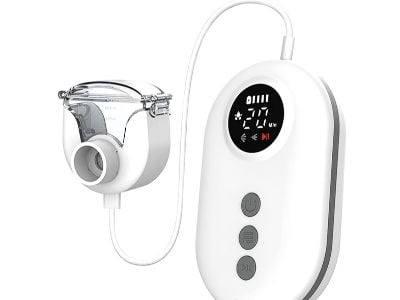
Portable nebulizers are essential medical devices used for delivering medication directly to the lungs, making them especially valuable for individuals with respiratory conditions. As a B2B buyer, understanding the effectiveness of portable nebulizers, such as travel-friendly mesh nebulizer units, is crucial for making informed purchasing decisions. This article addresses key considerations for wholesale buyers, including product selection, quality evaluation, cost factors, and various applications across industries.
Are Portable Nebulizers Effective for Wholesale Buyers?
When evaluating the effectiveness of portable nebulizers, buyers should consider their primary function: delivering aerosolized medication to treat respiratory conditions like asthma and chronic obstructive pulmonary disease (COPD). Portable nebulizers are particularly appealing for their convenience, allowing patients to use them in various settings, including during travel.
For wholesale buyers, effectiveness translates into reliable performance across different environments. Mesh nebulizers, for example, are known for their compact design and quiet operation, making them suitable for both adults and children. When assessing effectiveness, it's important to review clinical data or studies that support the nebulizer's performance in delivering the right dosage and particle size for optimal medication absorption.
Additionally, wholesale buyers should inquire about the device's FDA and CE certifications, which indicate compliance with safety and efficacy standards. This level of scrutiny helps ensure that the products you offer meet regulatory requirements and will perform reliably for end-users.
How to Choose the Right Mesh Nebulizer for Your Needs
Choosing the right mesh nebulizer involves several considerations tailored to the specific needs of patients. First, evaluate the specifications of different models, focusing on key features such as particle size distribution, medication capacity, and battery life.
Particle Size Distribution: This specification is critical because it determines how effectively medication is delivered to the lungs. A particle size of 1-5 micrometers is generally ideal for reaching the lower airways.
Medication Capacity: Assess the medication chamber's volume. A larger capacity allows for longer treatment sessions without the need for frequent refills, which can be advantageous for patients requiring multiple doses.
Battery Life: For travel-friendly models, extended battery life is essential. Consider whether the device can be charged via USB or if it requires specialized batteries, as this can affect usability in different locations.
Ease of Cleaning: Since nebulizers must be maintained for hygiene reasons, choose models with easy disassembly and cleaning procedures, which can significantly reduce the risk of contamination.
By aligning these features with patient needs and application scenarios, wholesale buyers can better position themselves to meet market demands.
Evaluating the Quality of Travel-Friendly Nebulizer Units
Quality evaluation of travel-friendly nebulizer units should focus on several aspects: manufacturing standards, material selection, and quality control processes.
Manufacturing Standards: Ensure that the nebulizers are produced under standardized workflows, as mentioned in the background of Shenzhen Fitconn Technology Co., Ltd. This process should adhere to international standards such as ISO 13485, which governs the production of medical devices.
Material Selection: The materials used in the nebulizer's construction can impact durability and performance. Look for devices made from high-quality, medical-grade plastics that withstand repeated use while being lightweight for portability.
Quality Control Processes: Inquire about the quality control protocols in place. nebuliser machine
includes inspection methods and testing procedures that ensure each unit meets performance specifications before reaching the market. An effective quality management system can mitigate risks associated with product failures.
User Reviews and Clinical Feedback: Gathering feedback from existing users can provide insights into the nebulizer's real-world performance. Pay attention to reviews that highlight issues like ease of use, maintenance needs, and overall satisfaction.
By focusing on these quality indicators, wholesale buyers can ensure the products they source will not only meet customer expectations but also enhance their brand reputation in the competitive medical device market.
Cost Factors to Consider for Bulk Orders of Nebulizers
When considering bulk orders of nebulizers, several cost factors should be taken into account to optimize pricing structures and overall value.
Unit Price: The cost per unit can vary significantly based on order volume. Higher quantities often lead to lower per-unit prices, so understanding the manufacturer's minimum order quantity (MOQ) is essential for negotiating favorable terms.
Shipping and Handling: Consider the logistics involved in transporting nebulizers. Shipping costs can vary depending on weight, dimensions, and delivery locations. Be sure to factor in these costs when calculating total expenses.
Custom Duties and Taxes: Depending on the destination country, import duties and taxes may apply. It’s vital to understand these financial implications to avoid unexpected expenses that could affect pricing strategies.
Payment Terms: Payment terms can impact cash flow. Some manufacturers may offer discounts for upfront payments or flexible financing for bulk orders, which can be advantageous for managing working capital.
Warranty and After-Sales Support: Evaluate whether the cost includes warranty coverage and after-sales support. These nebulizer for cough
are important for maintaining customer satisfaction and can justify higher initial costs if they lead to better end-user experiences.
By carefully assessing these cost factors, wholesale buyers can make informed decisions that align with their budgetary constraints while maximizing the value of their investment.
Applications of Portable Nebulizers in Various Industries
Portable nebulizers have diverse applications across multiple industries, each with unique requirements and challenges.
Healthcare Settings: In hospitals and clinics, portable nebulizers are used for immediate treatment of respiratory distress. nebulizer machine portable
compact design allows healthcare professionals to administer medication quickly, improving patient outcomes.
Home Healthcare: For patients managing chronic respiratory conditions at home, portable nebulizers offer the flexibility to maintain treatment routines. The ease of use and accessibility of mesh nebulizers make them ideal for home settings.
Travel and Remote Locations: The travel-friendly nature of portable nebulizers makes them suitable for patients who travel frequently or work in remote locations. Compact design and battery operation are essential features for this application.
Sports Medicine: Athletes with asthma or other respiratory issues can benefit from portable nebulizers during training or competitions. The ability to deliver quick relief from respiratory symptoms can enhance performance and safety.
Industrial Applications: In industries where workers are exposed to airborne irritants, nebulizers can be used as a preventive measure to ensure respiratory health. They can also be integrated into safety protocols for workers who require medication.
Understanding these applications allows wholesale buyers to tailor their product offerings to specific industry needs, enhancing their competitive edge in the market.
By thoroughly evaluating the effectiveness, quality, cost, and applications of portable nebulizers, wholesale buyers can make informed decisions that cater to the diverse needs of their clientele.