 EN

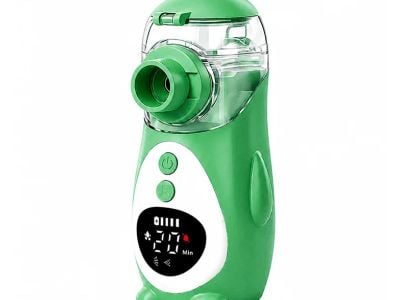
Cleaning and properly storing your portable nebulizer is essential for maintaining its optimal performance and longevity. , we will explore the best practices for mesh nebulizer care, address common buyer concerns, and provide practical guidance to ensure your nebulizer operates effectively. Understanding how to clean and store your nebulizer will not only enhance user experience but also safeguard your investment in this vital home medical device.
How to Properly Clean Your Mesh Nebulizer for Optimal Performance
To ensure the best performance of your mesh nebulizer, regular cleaning is crucial. Begin by disassembling the device according to the manufacturer's instructions. Rinse all parts that come into contact with medication, such as the nebulizer cup, mouthpiece, and filters, in warm, soapy water. Use a mild detergent to avoid any harsh chemicals that could damage the nebulizer.
After rinsing, you should disinfect the components by soaking them in a solution of one part white vinegar to three parts water for about 30 minutes. This helps eliminate bacteria and other pathogens that could compromise the device's efficacy. Once disinfected, rinse the parts thoroughly with clean water and allow them to air dry completely on a clean towel. Avoid using paper towels, as they can leave lint behind.
For optimal performance, it is advisable to clean the nebulizer after each use. This prevents medication buildup and ensures that the nebulizer remains in good working condition. Regular maintenance will not only enhance the lifespan of the device but also ensure that it delivers medication effectively.
Key Specifications
When evaluating a mesh nebulizer, several key specifications are essential for ensuring its suitability for your needs. First, consider the particle size output, typically measured in micrometers. A smaller particle size allows for deeper lung penetration, making it more effective for respiratory conditions.
Another crucial specification is the flow rate, which indicates how quickly the nebulizer can deliver medication. A higher flow rate is beneficial for patients who require fast relief, while a lower flow rate may suit those needing prolonged treatment.
Battery life is another important factor, particularly for portable models. Look for a nebulizer with enough battery capacity to last through multiple treatments without frequent recharging. Additionally, check the device's weight and size, especially if portability is a key requirement for your application.
Lastly, ensure the nebulizer complies with relevant certifications such as FDA and CE, guaranteeing that portable nebulizer meets necessary safety and performance standards.
Wholesale Purchasing Considerations for Nebulizer Suppliers
When sourcing mesh nebulizers for wholesale distribution, several considerations should guide your purchasing decisions. First, evaluate potential suppliers based on their manufacturing capabilities and quality control processes. A reliable supplier should be able to demonstrate adherence to industry standards, such as ISO 13485, which indicates a commitment to quality management in medical device production.
Next, consider the minimum order quantity (MOQ) and lead times for delivery. Understanding these factors can help you manage inventory effectively and meet your business needs without overcommitting resources.
Pricing is another vital aspect; compressor nebulizer should reflect the quality of the product. Lower prices may not always equate to cost savings in the long run if they lead to higher failure rates or customer dissatisfaction. Requesting samples for evaluation before placing bulk orders can help mitigate this risk.
Additionally, inquire about customization options. Some suppliers may offer branding or specific feature adjustments to better fit your market's needs. A supplier that understands your requirements can enhance your product offering and improve customer satisfaction.
Understanding Mesh Nebulizer Materials
The materials used in the construction of mesh nebulizers play a significant role in performance and durability. Typically, the nebulizer body is made from high-grade plastic, which is lightweight yet robust enough to withstand daily handling. Look for materials that are BPA-free to ensure safety during medication delivery.
The mesh component, which is crucial for converting liquid medication into aerosol, is often made from stainless steel or a specific polymer designed to provide consistent performance. It's essential to ensure that the mesh is resistant to clogging and can be easily cleaned, as this directly affects the nebulizer's efficiency.
Moreover, consider the sealing materials used in the nebulizer. High-quality seals prevent leaks and ensure that the medication is delivered effectively without wastage. Understanding these material properties can guide you in selecting a nebulizer that meets both user safety and performance standards.
Guidelines for Proper Installation of Your Portable Nebulizer
Proper installation of your portable nebulizer is vital for achieving optimal performance. Start by reading the user manual thoroughly to understand each component's function and assembly process. Ensure that all parts are clean and dry before assembly to avoid contamination.
Begin by attaching the nebulizer cup to the device's base securely. Misalignment can lead to improper medication delivery. Next, connect the mouthpiece or mask, ensuring a snug fit to prevent leaks during operation. If your model includes a filter, make sure it is installed correctly, as this helps to maintain air quality during nebulization.
Before use, it's good practice to perform a quick operational check. Turn the nebulizer on without medication to ensure asthma machine nebulizer produces a fine mist, indicating that it is functioning correctly. If you notice any irregularities, such as unusual sounds or lack of mist, refer to the troubleshooting section of the manual or consult your supplier.
In summary, understanding proper installation not only enhances the nebulizer's performance but also contributes to user safety and satisfaction. Proper care, cleaning, and installation practices will ensure your device remains effective and reliable for its intended use.