 EN

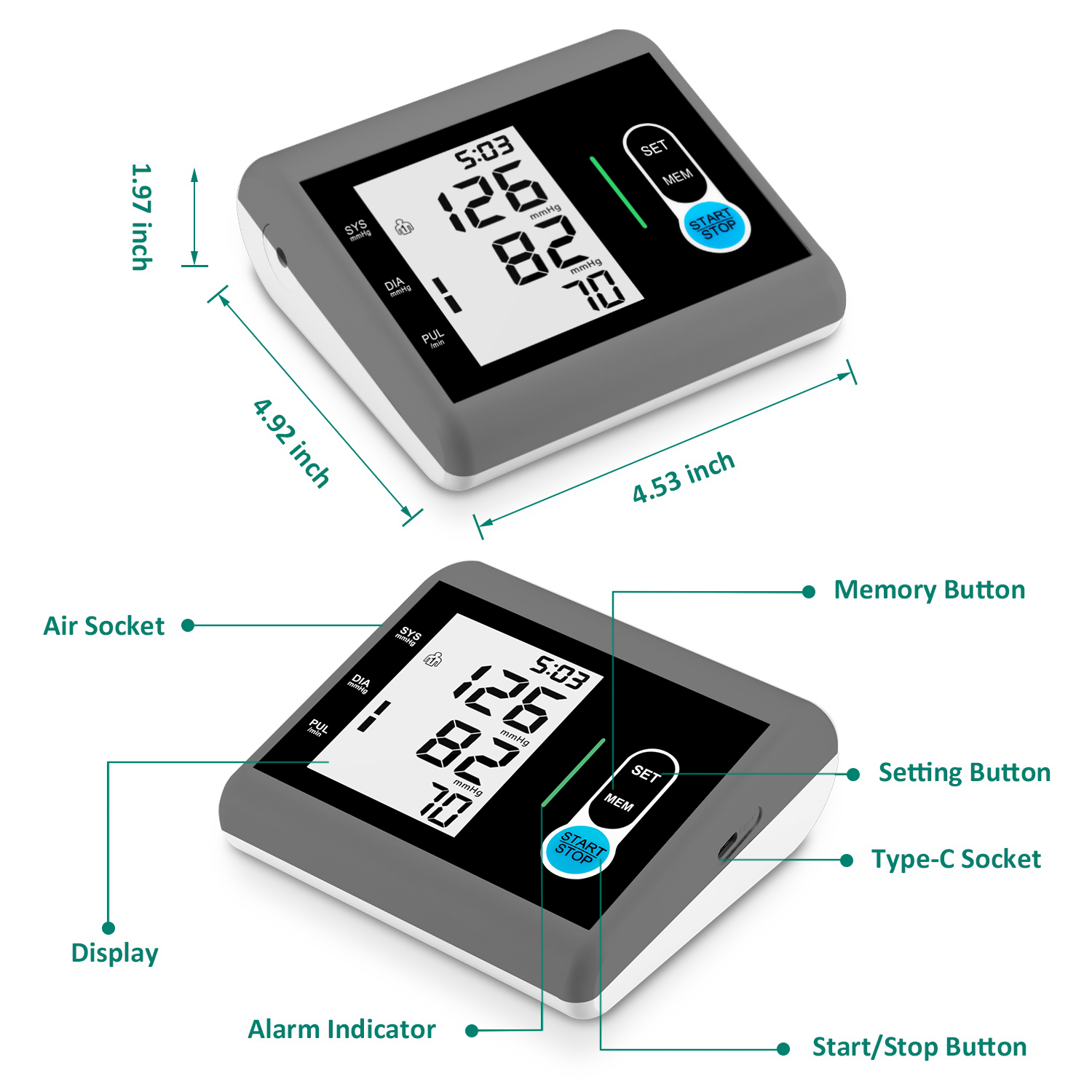
When purchasing a home blood pressure monitor, understanding what specifications matter is crucial. The right machine can significantly impact health monitoring and management, making it essential for healthcare professionals, purchasing managers, and distributors to be well-informed. This article provides key blood pressure machine buying tips, focusing on the specifications and considerations that should guide your selection process. From cost factors to sourcing reliable suppliers, we aim to equip you with the knowledge needed to make an informed purchasing decision.
Understanding the Cost Factors of Home Blood Pressure Monitors
The cost of home blood pressure monitor can vary widely based on several factors, including technology, features, and certifications. Basic models may cost less but often lack advanced features such as Bluetooth connectivity or irregular heartbeat detection. Mid-range monitors typically offer a better balance of functionality and reliability, often including user-friendly interfaces and larger displays.
Higher-end models, while more expensive, come equipped with advanced technology, such as automatic inflation and deflation, memory storage for multiple users, and comprehensive health tracking apps. Additionally, consider the long-term costs, such as the need for replacement cuffs or batteries and the availability of warranties or service agreements. These factors can significantly affect the total cost of ownership and the monitor's overall value in a healthcare setting.
Where to Source Reliable Suppliers for Blood Pressure Machines
Finding a reliable supplier for blood pressure machines is pivotal in ensuring that you receive quality products. Start by evaluating manufacturers with established reputations and certifications, such as FDA, CE, and ISO 13485, which indicate compliance with international quality standards.
Attending industry trade shows and engaging with suppliers directly can also provide insights into their production capabilities and product innovations. Online platforms that aggregate supplier reviews and ratings can help gauge reliability based on peer feedback. Additionally, consider manufacturers who can offer customization options to meet specific healthcare needs, as this flexibility can be a significant advantage.
What to Know
When selecting a blood pressure monitor, it's essential to understand the key specifications that influence accuracy and usability. Key specifications include:
Measurement Range: Ensure the device can accurately measure the expected range of blood pressure for your target users.
Accuracy: Look for portable blood pressure monitor that provide a percentage of accuracy rating, commonly stated as ±3 mmHg, as this impacts the reliability of the readings.
Display Size and Readability: A larger, clear display can enhance usability, especially for older patients or those with visual impairments.
Cuff Size and Type: The cuff should fit comfortably and securely on the user's arm. Various sizes may be needed to accommodate different patients, and some devices offer adjustable cuffs for versatility.
Power Supply: Consider whether the device operates on batteries or has an AC adapter, as this can affect portability and convenience.
Understanding these specifications can help ensure that the monitors meet both clinical and patient needs effectively.
What You Need
Before placing an order for blood pressure monitors, gather critical information to ensure that your needs are met. This includes:
Product Type and Model: Clearly specify the type of monitor required, whether it’s an automatic or manual device, and the model number if applicable.
Quantity: Determine the number of units needed for your application, as this may affect pricing and lead time.
Application Requirements: Provide details on how the monitors will be used, including any specific settings such as home care, clinics, or hospitals.
Customization Needs: If customization is necessary, outline what features or specifications you require, such as branding, color, or specific functionalities.
Delivery and Packaging Requirements: Specify how you want the products packaged and shipped, particularly if they need to meet specific regulatory requirements or if they are to be distributed across different regions.
Having this information ready will facilitate smoother negotiations with suppliers and reduce the chances of miscommunication.
Applications of Home Blood Pressure Monitors in Healthcare Settings
Home blood pressure monitors serve a vital role in various healthcare settings, from hospitals to outpatient clinics and home care environments. They enable continuous monitoring, allowing healthcare providers to track patients' blood pressure over time and adjust treatment plans accordingly.
In outpatient settings, these devices help patients manage chronic conditions, providing a convenient means for self-monitoring. This is especially beneficial for individuals with hypertension, as regular monitoring can significantly improve health outcomes. Moreover, integrating these devices with telehealth solutions allows healthcare providers to remotely monitor patient data, facilitating timely interventions and reducing hospital visits.
In addition, automatic blood pressure monitor can be used in clinical research settings to collect data on the efficacy of treatments or to study population health trends. Their versatility in application makes them indispensable tools in modern healthcare management.
By understanding these elements, B2B buyers can make informed decisions that align with their operational needs and contribute positively to patient care outcomes.