 EN

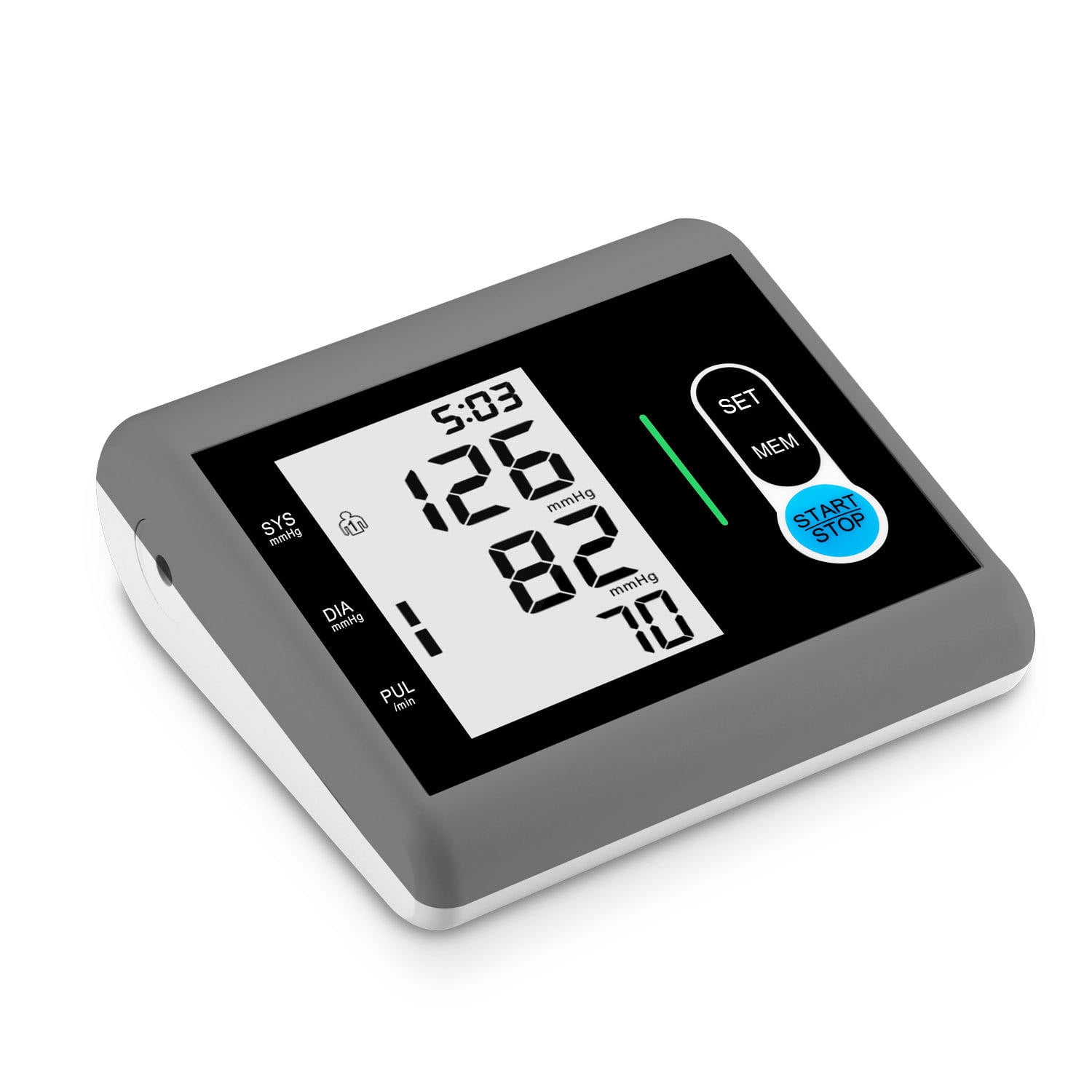
Understanding the differences between wrist and upper arm blood pressure monitors is crucial for healthcare professionals and purchasing managers who seek reliable and accurate medical devices. This article will explore the key specifications, installation guidance, applications, and essential considerations when choosing between these two types of blood pressure monitors. As a B2B buyer, your main concerns likely include product reliability, accuracy, ease of use, and overall effectiveness in clinical settings. This comprehensive guide will help you evaluate which blood pressure machine to trust.
Key Specifications of Wrist and Upper Arm Blood Pressure Monitors
When assessing blood pressure monitor, key specifications come into play, including accuracy, cuff size, measurement range, and display features.
Accuracy: Both wrist and upper arm monitors should provide clinically validated accuracy. Upper arm monitors typically offer higher precision due to their ability to measure blood pressure closer to the heart. Buyers should verify that the devices meet standards set by organizations like the American Heart Association.
Cuff Size: The cuff size significantly impacts measurement accuracy. Upper arm monitors generally come with various cuff sizes to accommodate different arm circumferences, while wrist monitors are limited by the wrist size. It's essential to select a device with the appropriate cuff to ensure accurate readings.
Measurement Range: Check the systolic and diastolic blood pressure range for each model. Upper arm monitors often have a broader range, making them suitable for a wider patient demographic.
Display Features: Consider the clarity and usability of the display. Features such as large fonts, backlighting, and color coding for readings can enhance usability, especially for elderly patients.
Power Source: Most monitors operate on batteries or AC power. Understanding the power source can influence operational costs and convenience, especially in busy healthcare environments.
Wrist vs Upper Arm Blood Pressure Devices
The debate between wrist and upper arm blood pressure monitors often comes down to convenience versus accuracy.
Wrist Monitors:
Advantages: Compact and portable, wrist monitors are easy to use and can be ideal for patients who travel frequently. They are generally more affordable than upper arm models.
Disadvantages: Susceptible to user error, wrist monitors can yield inaccurate readings if the wrist is not positioned correctly at heart level. They are best suited for patients with smaller arms or those who have difficulty using upper arm cuffs.
Upper Arm Monitors:
Advantages: These devices typically provide more accurate readings due to their proximity to the heart and standardized measurement techniques. They are recommended for clinical settings and patients requiring precise monitoring.
Disadvantages: Bulkier and less portable than wrist monitors, upper arm devices may be less convenient for on-the-go patients.
Ultimately, the choice may depend on the target patient demographic and the settings in which the monitors will be used.
Installation Guidance for Wrist and Upper Arm Blood Pressure Monitors
Proper installation is vital for obtaining accurate readings from automatic blood pressure monitor.
Wrist Monitors:
Ensure the wrist is at heart level during measurements.
The cuff should fit snugly, allowing a finger to slip underneath. Incorrect positioning can lead to erroneous readings.
Upper Arm Monitors:
The cuff placement is crucial wrap it around the upper arm, approximately one inch above the elbow.
Ensure the arm is supported and relaxed, and the device is positioned at heart level.
Regular calibration checks are recommended to maintain accuracy.
Following these guidelines will help ensure that both types of monitors deliver reliable results, supporting effective patient management.
Applications of Wrist and Upper Arm Blood Pressure Monitors in Healthcare
Blood pressure monitors play a critical role in various healthcare applications, from routine check-ups to chronic disease management.
Routine Monitoring: Both wrist and upper arm monitors are essential for regular blood pressure checks in both clinical and home settings. Accurate monitoring helps in early detection of hypertension and other cardiovascular conditions.
Chronic Disease Management: Patients with hypertension or other heart-related conditions often require frequent monitoring. Upper arm monitors are typically preferred in clinical settings due to their accuracy, while wrist monitors can be utilized for at-home monitoring.
Telehealth Applications: As telehealth services expand, the portability of wrist monitors becomes advantageous for remote consultations. Patients can easily send readings to healthcare providers, ensuring ongoing management of their health conditions.
Research and Clinical Trials: In clinical research, accurate blood pressure readings are critical. Upper arm devices are often favored in studies due to their reliability.
Understanding these applications can guide buyers in selecting the appropriate monitor based on their specific needs and the intended use.
How to Choose the Right Blood Pressure Monitor for Your Needs
Selecting the right digital blood pressure monitor involves considering several factors that align with your specific requirements.
Patient Demographics: Assess the population that will be using the monitors. If the primary users are elderly or have mobility issues, upper arm monitors may be more appropriate due to their accuracy and ease of use.
Accuracy Requirements: For critical care or chronic disease management, prioritize upper arm monitors as they generally offer superior accuracy.
Budget Considerations: Evaluate your budget constraints. While wrist monitors may be less expensive, consider long-term costs related to accuracy and the potential need for more frequent replacements.
User Experience: Consider the user-friendliness of the device. Features like automatic inflation, large displays, and memory functions can enhance the user experience, particularly for patients who may struggle with technology.
Customization and Support: Investigate whether the manufacturer provides customization options for the devices. Shenzhen Fitconn Technology Co., Ltd., for example, may offer tailored solutions to fit your specific healthcare needs.
By carefully evaluating these factors, buyers can make informed decisions that align with their clinical or personal requirements, ensuring effective blood pressure management.
Table of Contents
- Key Specifications of Wrist and Upper Arm Blood Pressure Monitors
- Wrist vs Upper Arm Blood Pressure Devices
- Installation Guidance for Wrist and Upper Arm Blood Pressure Monitors
- Applications of Wrist and Upper Arm Blood Pressure Monitors in Healthcare
- How to Choose the Right Blood Pressure Monitor for Your Needs