 EN

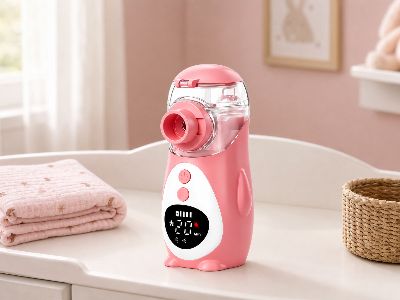
Shenzhen Fitconn Technology Co., Ltd. specializes in comprehensive home medical device sourcing, offering products like nebulizers, blood pressure monitors, and oximeters. This article focuses on the essentials of sourcing these devices, addressing the primary concerns of B2B buyers, product specifications, supplier reliability, proper usage, common issues, and their applications in healthcare. By understanding these factors, purchasing managers, distributors, and healthcare professionals can make informed decisions.
Key Specifications to Consider for Nebulizers, BP Monitors, and Oximeters
When sourcing medical devices, understanding the key specifications is crucial for ensuring the product meets healthcare standards and patient needs.
Nebulizers
For nebulizers, consider the type (compressor or mesh), medication compatibility, particle size distribution, and flow rate. The particle size affects drug delivery efficiency; smaller particles are better for deep lung penetration. Ensure that the nebulizer machine portable device is compatible with commonly used medications. Additionally, check for features like noise level and ease of cleaning, which can impact patient compliance.
Blood Pressure Monitors
With blood pressure monitors, accuracy is paramount. Look for devices with automatic calibration and validated measurement standards. Consider cuff size options, as a proper fit is vital for accurate readings. Features like digital displays, memory storage for previous readings, and connectivity options (Bluetooth or USB) for data tracking can enhance usability.
Oximeters
For oximeters, focus on the measurement range, accuracy, and response time. Ensure that the device can accurately measure oxygen saturation (SpO2) and pulse rate in various skin types. Battery life and ease of use are also important; devices that turn off automatically can conserve battery life for extended use.
By assessing these specifications, buyers can ensure that the medical devices will perform reliably in clinical or home settings.
Where to Find Reliable Suppliers for Home Medical Device Sourcing?
Finding reliable suppliers is critical for ensuring quality and compliance with regulatory standards. Start by researching manufacturers with a proven track record in the industry. Look for companies that have obtained certifications such as FDA, CE, and ISO 13485, which indicate adherence to international quality standards.
Trade shows and industry conferences are excellent venues for networking with suppliers and viewing their products firsthand. Online platforms that specialize in medical devices can also be valuable resources for supplier comparisons. When evaluating potential suppliers, consider their production capabilities, lead times, and willingness to provide customization options.
Finally, request samples to assess product quality before placing bulk orders. This step allows you to verify performance and compliance with your specifications.
Ensuring Proper Use
Proper usage of medical devices is essential for achieving accurate results and ensuring patient safety. Each device typically comes with a user manual that outlines operating procedures, maintenance, and troubleshooting tips.
Training
Consider providing training for users, especially in clinical settings. This training should cover device operation, proper cleaning protocols, and maintenance to ensure longevity and reliability. For nebulizers, educate users on medication preparation and device assembly. For blood pressure monitors, training should include proper cuff placement techniques to ensure accurate readings.
Maintenance
Regular maintenance is vital. Set up a schedule for checking device functionality, cleaning, and replacing any worn parts. For instance, nebulizer should be cleaned according to the manufacturer's guidelines to prevent contamination. Blood pressure monitors should be calibrated periodically to maintain accuracy.
Common Problems in Home Medical Devices and Their Solutions
Understanding common issues associated with home medical devices can help buyers mitigate risks and enhance user satisfaction.
Nebulizers
One common problem with nebulizers is clogging, often caused by improper cleaning or using the wrong medication formulation. Ensure users are aware of proper cleaning techniques and the importance of using only prescribed medications. Additionally, check for air leaks in the tubing, which can affect performance.
Blood Pressure Monitors
Blood pressure monitors may provide inaccurate readings due to incorrect cuff size or placement. Buyers should ensure that users understand how to select the appropriate cuff size and position it correctly on the arm for accurate measurements. Regular calibration is also necessary to maintain device accuracy.
Oximeters
With oximeters, issues like poor signal strength can arise from improper placement on the finger or motion during measurement. Educate users on the correct application of the device and the importance of remaining still during readings. If the device struggles to obtain a reading, ensure that fingers are warm and dry.
By addressing these common problems proactively, buyers can enhance user experience and device reliability.
Applications of Nebulizers, BP Monitors, and Oximeters in Healthcare
Understanding the applications of these medical devices is essential for making informed purchasing decisions.
Nebulizers
Nebulizers are primarily used for delivering medication to patients with respiratory conditions like asthma or chronic obstructive pulmonary disease (COPD). They provide effective treatment by converting liquid medication into a mist, allowing for deeper lung penetration.
Blood Pressure Monitors
Blood pressure monitors are vital for managing cardiovascular health. They help track blood pressure levels in patients at home, facilitating timely interventions and promoting adherence to treatment plans. Regular monitoring can significantly reduce the risk of hypertension-related complications.
Oximeters
Oximeters are essential for monitoring oxygen saturation levels in patients with respiratory disorders, heart conditions, or during surgical procedures. They provide real-time data, allowing healthcare providers to make informed decisions about patient care.
By understanding the applications of these devices, healthcare professionals can better assess the needs of their patients and choose the right products for effective treatment.
Through this guide, buyers can navigate the complexities of sourcing home medical devices like machine nebulizer, blood pressure monitors, and oximeters with confidence, ensuring they select the right products for their needs.