 EN

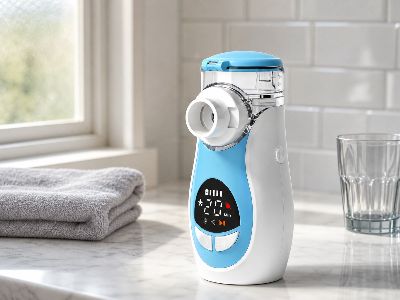
In the realm of home medical devices, mesh nebulizers play a crucial role in delivering medication efficiently to patients with respiratory issues. This article, "Mesh Nebulizer Component Analysis: Why Atomization Performance Matters for Resellers," delves into the intricate details that B2B buyers, including resellers, distributors, and purchasing managers, should consider when evaluating mesh nebulizers. It addresses key concerns surrounding product specifications, performance evaluation, cost implications, and essential insights for project purchasers. By the end of this article, buyers will gain a comprehensive understanding of how to navigate the intricacies of sourcing mesh nebulizer effectively.
Understanding Mesh Nebulizer Specifications for Wholesale Buyers
When looking to purchase mesh nebulizers in bulk, understanding the specifications is vital. Key specifications to consider include the nebulizer's particle size distribution, which impacts the medication's atomization and delivery efficiency. For optimal therapeutic outcomes, a particle size of less than 5 micrometers is generally preferred, as it allows medication to reach the lower airways effectively.
Additionally, buyers should evaluate the nebulizer's flow rate, typically measured in milliliters per minute (mL/min). A higher flow rate can lead to faster treatment times but may affect the consistency of the aerosol produced. Furthermore, the materials used in the nebulizer's construction, such as medical-grade plastic, are crucial for ensuring durability and safety during use.
Manufacturers like Shenzhen Fitconn Technology Co., Ltd. adhere to standardized workflows that comply with international certifications (FDA, CE, ISO 13485), ensuring product reliability and quality. Buyers should confirm these certifications during the sourcing process to mitigate risks associated with regulatory compliance.
How to Evaluate Atomization Performance in Mesh Nebulizers
Evaluating atomization performance is essential for ensuring that the nebulizer effectively delivers medication. Buyers should focus on several key factors during this evaluation process. First, consider conducting in vitro testing to measure the aerosol output and particle size distribution, which directly affects the efficacy of medication delivery to the lungs.
Another important aspect is the nebulizer's operating frequency, often measured in kilohertz (kHz). A higher frequency typically results in finer aerosol particles, enhancing the nebulization process. Buyers should inquire about the specific frequency used in the machine nebulizer models they are considering, as this can significantly impact treatment effectiveness.
Furthermore, assessing the nebulizer's residual volume, or the amount of liquid medication remaining after use, is essential. A lower residual volume indicates higher efficiency and less wasted medication, which can be a cost-saving factor for resellers.
Cost Considerations When Sourcing Mesh Nebulizers in Bulk
Cost is a critical factor for B2B buyers when sourcing mesh nebulizers. Several elements contribute to the overall cost, including the unit price, shipping fees, and potential tariffs for international orders. Buyers should request detailed quotations that encompass all associated costs to avoid unexpected expenses.
Additionally, the minimum order quantity (MOQ) can significantly influence the pricing structure. Manufacturers may offer tiered pricing based on the quantity ordered, so understanding the MOQ can help buyers negotiate better rates. It's also important to consider the total cost of ownership, which includes factors like maintenance and potential replacement parts over the product's lifecycle.
Buyers should not overlook the benefits of long-term supplier relationships, which can lead to better pricing and favorable terms for bulk purchases. Establishing a solid partnership with manufacturers like Shenzhen Fitconn can facilitate smoother transactions and ensure consistent product availability.
Insights for Project Purchasers
For project purchasers, understanding the specific application and requirements of the mesh nebulizer is crucial. Buyers should assess how the device will be used in clinical settings or home care environments. Considerations such as portability, ease of use, and compatibility with various medications will influence purchasing decisions.
Engaging with end-users, such as healthcare professionals or patients, can provide valuable insights into their needs and preferences. This feedback can guide the selection process, ensuring that the chosen nebulizer meets the market's demands.
Additionally, project purchasers should prioritize establishing clear communication channels with suppliers to discuss customization options. Many manufacturers, including Shenzhen Fitconn, offer tailored solutions that can accommodate specific project requirements, such as branding or unique packaging requests.
Enhancing Your Understanding of Atomization Quality
Atomization quality is a pivotal factor affecting the overall efficacy of mesh nebulizers. Buyers should become familiar with the various parameters that contribute to this quality. One significant aspect is the nebulizer's mesh technology, which typically features a vibrating membrane that creates aerosol particles. The mesh design and hole size will influence the size and uniformity of the aerosol particles produced.
Furthermore, buyers should be aware of the impact of environmental factors on atomization performance. Conditions such as temperature and humidity can alter the behavior of aerosol particles, which may affect medication delivery. Understanding these dynamics can help buyers make informed decisions about the most suitable portable nebulizer machine for their specific application.
Lastly, prospective buyers should conduct thorough quality control checks before finalizing orders. This includes reviewing product samples and conducting performance tests to ensure that the nebulizers meet the required standards. By prioritizing atomization quality, buyers can enhance patient outcomes and satisfaction with their respiratory therapies.