 EN
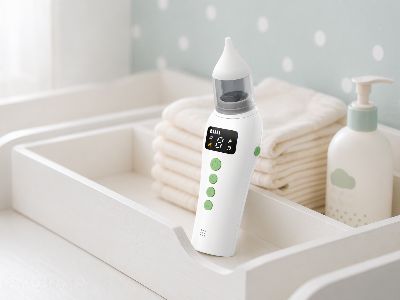
Nasal suction devices, commonly known as nasal aspirators, are essential medical tools used to clear nasal passages in patients, particularly infants and individuals with respiratory conditions. This article explores the nuances of nasal suction device sourcing, focusing on the differences between manual and electric nasal aspirator. Understanding these differences is crucial for B2B buyers, such as purchasing managers and healthcare distributors, as they evaluate their options for bulk orders. We will provide insights on product specifications, supplier selection, installation guidance, and common challenges associated with these devices to aid in informed purchasing decisions.
Understanding Manual vs Electric Nasal Aspirators for Bulk Orders
Manual nasal aspirators are typically simple, hand-operated devices that rely on suction created by the user. They are often lightweight and portable, making them convenient for home use. However, the effectiveness of manual aspirators can vary widely based on the user’s technique, which may lead to inconsistent results. When sourcing these devices in bulk, buyers should consider the ease of use and the potential for user error, as this might impact overall patient care.
On the other hand, electric nasal aspirators offer a consistent level of suction without requiring manual effort. These devices are designed to clear nasal passages more efficiently, which is particularly beneficial in clinical settings. Electric models often come with adjustable suction settings, allowing healthcare providers to tailor the suction strength to the patient's needs. For bulk purchases, buyers should assess the power source options (battery-operated vs. plug-in) and the ease of cleaning, as these factors can influence maintenance and operational costs.
Choosing the Right Nasal Suction Device Supplier for Your Needs
Selecting the right supplier for nasal suction devices involves evaluating several key factors. First, consider the supplier’s manufacturing capabilities and certifications, such as FDA and CE approvals, which ensure compliance with safety standards. Suppliers with a robust quality control process can provide assurance that their products consistently meet specifications.
Buyers should also inquire about the supplier’s experience in the healthcare sector. A supplier that specializes in medical devices, like Shenzhen Fitconn Technology Co., Ltd., can offer valuable insights into product performance and customization options. Furthermore, understanding the supplier's customer support and after-sales service is crucial, as this can affect the overall purchasing experience. Establishing a solid relationship with a reliable supplier can lead to better pricing, faster response times, and improved product availability.
Key Specifications to Compare in Nasal Aspirators for Wholesale Buyers
When comparing nasal aspirators for wholesale purchases, specific specifications should be prioritized:
Suction Power: Measured in millimeters of mercury (mmHg) or liters per minute (L/min), suction power affects the device's efficiency. Ensure that the chosen model provides sufficient suction for the intended use, particularly in clinical environments.
Material Safety: The materials used in the construction of nasal aspirators should be non-toxic and easy to clean. Look for devices made from medical-grade plastics that can withstand repeated use and cleaning procedures.
Noise Level: Especially for electric models, noise can be a concern in pediatric care settings. Comparing decibel ratings can help determine which devices will be more suitable for sensitive environments.
Size and Design: Compact designs may be preferable for home use, whereas larger, more robust models might be suitable for clinical settings. Evaluate the ergonomics and ease of handling as well.
Maintenance Requirements: Assess how easy the infant nasal aspirator devices are to disassemble and clean. Some models may have filters that require regular replacement, impacting long-term costs.
Buyers should ensure that these specifications align with their operational needs and patient care objectives.
Installation Guidance for Nasal Suction Devices in Healthcare Settings
Proper installation of nasal suction devices is critical for effective operation, especially in healthcare settings. For electric nasal aspirators, ensure that they are positioned near a power source and that any cords are secured to prevent tripping hazards. Manual aspirators may require minimal setup, but it’s essential to provide clear instructions for use to staff.
Training healthcare personnel on the correct operation of these devices is equally important. Buyers should consider requesting training materials or sessions from suppliers to ensure that all users are proficient in their operation. Additionally, establishing a maintenance schedule for electric devices can help extend their lifespan and ensure consistent performance.
Common Problems with Nasal Suction Devices and Their Solutions
Buyers should be aware of common issues that can arise with nasal suction devices, along with their solutions:
Reduced Suction Power: This can occur due to clogged filters or tubes. Regular maintenance and cleaning protocols should be established to prevent this issue.
Battery Failure in Electric Models: Battery-operated devices may experience power issues. Buyers should ensure that backup batteries are readily available and consider models with rechargeable options.
User Technique: Inconsistent results from manual aspirators often stem from improper use. Providing staff training and clear instructions can mitigate this concern.
Noise Levels: Excessive noise from electric aspirators can be distressing for patients. Buyers should select models with quieter operations to enhance patient comfort.
Durability Concerns: Frequent use may lead to wear and tear. Opting for electric nasal aspirator devices made from high-quality materials can help reduce replacement frequency.
By understanding these potential issues, buyers can take proactive steps to ensure that their nasal suction devices operate effectively and efficiently in their intended environments.
This article offers a comprehensive look at nasal suction device sourcing, highlighting the differences between manual and electric options and providing critical information for buyers. By focusing on specifications, supplier evaluation, installation guidance, and common problems, B2B purchasers can make informed choices that enhance patient care and operational efficiency.
Table of Contents
- Understanding Manual vs Electric Nasal Aspirators for Bulk Orders
- Choosing the Right Nasal Suction Device Supplier for Your Needs
- Key Specifications to Compare in Nasal Aspirators for Wholesale Buyers
- Installation Guidance for Nasal Suction Devices in Healthcare Settings
- Common Problems with Nasal Suction Devices and Their Solutions