 EN

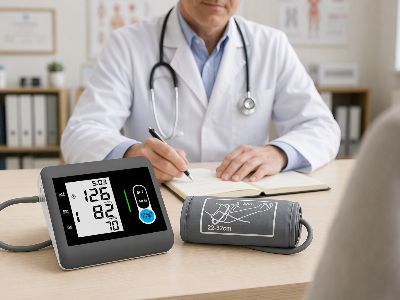
In the rapidly evolving landscape of healthcare technology, blood pressure machine product upgrading has become a focal point for B2B buyers like purchasing managers and distributors. With advancements in features and technology, understanding what appeals to end-market buyers is crucial for making informed purchasing decisions. This article will delve into the necessary features, specifications, and considerations that influence buying decisions for upgraded blood pressure machines, offering practical insights to enhance your procurement strategy.
What New Features in Blood Pressure Machines Matter to Wholesale Buyers?
For wholesale buyers, the latest features in blood pressure machines can significantly impact market competitiveness and patient outcomes. Key appealing features include:
Bluetooth Connectivity: Enhanced connectivity options allow for seamless data transmission to mobile applications, enabling remote monitoring and patient engagement.
User-Friendly Interfaces: Touchscreen displays and intuitive navigation reduce the learning curve for users and improve operational efficiency.
Multiple Measurement Modes: Machines that offer various modes, such as oscillometric and auscultatory, cater to a broader range of patient needs.
Compact Design: Space-saving designs are increasingly important for healthcare facilities with limited space, making portability a key selling point.
Battery Life and Charging Options: Long-lasting batteries and versatile charging options enhance usability, especially in settings where power access may be limited.
Understanding these features allows wholesale buyers to align their inventory with market demands, ensuring they offer products that enhance user experience and meet healthcare provider needs.
Key Specifications to Evaluate in Upgraded Blood Pressure Monitors
When evaluating upgraded blood pressure monitors, several critical specifications should be carefully considered:
Accuracy Standards: Ensure the equipment meets international accuracy standards such as ISO 81060-1. This ensures reliable readings, crucial for patient safety.
Cuff Size Options: Different patient populations require various cuff sizes for accurate readings. The blood pressure monitor machines that accommodate small to large cuffs enhance usability across diverse demographics.
Measurement Range: A wider measurement range supports a broader patient base, accommodating both hypertensive and hypotensive patients.
Data Storage Capacity: Devices that can store numerous readings allow for longitudinal tracking of patient progress, which is essential for effective management of hypertension.
Calibration Requirements: Understanding the calibration needs of the device helps maintain accuracy over time and informs buyers about potential ongoing costs.
By carefully assessing these specifications, buyers can ensure they select devices that not only meet regulatory standards but also provide reliable performance in clinical settings.
Where to Source Reliable Blood Pressure Machines for Bulk Orders?
Sourcing reliable blood pressure machines for bulk orders involves several strategic considerations:
Manufacturer Reputation: Partnering with manufacturers like Shenzhen Fitconn Technology Co., Ltd., known for their integrated approach to medical device development, can ensure quality and compliance with international standards (FDA, CE, ISO 13485).
Certification Verification: Always verify manufacturers' certifications to ensure compliance with health standards and regulations, which is critical when sourcing medical devices.
Trade Shows and Industry Events: Attending industry exhibitions provides an opportunity to connect with manufacturers, observe product demonstrations, and discuss specifications directly.
Online B2B Marketplaces: Platforms can facilitate connections with suppliers but require thorough vetting to ensure reliability and quality.
Local Distributors: Establishing relationships with local distributors can streamline the procurement process and provide easier access to support and service.
By leveraging these sourcing strategies, buyers can find trustworthy suppliers that meet their bulk purchasing needs efficiently.
Common Problems with Blood Pressure Machines and Their Solutions
Despite advancements in technology, some common issues persist with blood pressure machines. Here are a few challenges and their solutions:
Inconsistent Readings: This can occur due to improper cuff placement or size. Buyers should ensure that automatic blood pressure machine come with clear instructions and training materials for users.
Battery Malfunctions: Regular maintenance checks on battery life and charging systems can prevent unexpected downtime. Consider machines with replaceable batteries to extend the device's lifespan.
Data Transfer Issues: Problems with data connectivity, especially in smart devices, can hinder usability. Ensure the selected model offers reliable software support and easy updates.
Durability Concerns: In high-traffic environments, devices may suffer wear and tear. Selecting machines with robust construction and warranties can mitigate this risk.
User Error: Training staff on proper use and maintenance of the devices can significantly reduce operational issues and improve accuracy.
By addressing these common problems proactively, buyers can enhance the reliability and performance of blood pressure monitoring equipment in clinical settings.
Installation Guidance for New Blood Pressure Monitoring Systems
Installing new blood pressure monitoring systems requires careful planning to ensure optimal performance:
Site Assessment: Evaluate the installation environment to ensure adequate space, electrical access, and connectivity for devices with smart features.
Training for Staff: Provide comprehensive training sessions for healthcare staff on how to operate the new machines effectively. This should include troubleshooting common issues.
Integration with Existing Systems: Ensure compatibility with existing health IT systems, such as electronic medical records (EMRs), to facilitate seamless data management.
Regular Maintenance Schedule: Implement a schedule for routine maintenance and calibration checks to ensure ongoing accuracy and reliability.
Documentation: Keep thorough documentation of installation procedures, user manuals, and maintenance records for compliance and future reference.
By following these installation guidelines, buyers can ensure that their new blood pressure monitoring systems operate efficiently and provide reliable data for patient care.
Understanding the evolving landscape of blood pressure machine product upgrading is essential for B2B buyers looking to make informed purchasing decisions. By focusing on new features, critical specifications, sourcing strategies, common issues, and installation best practices, buyers can enhance their procurement strategies and ultimately improve patient outcomes.
Table of Contents
- What New Features in Blood Pressure Machines Matter to Wholesale Buyers?
- Key Specifications to Evaluate in Upgraded Blood Pressure Monitors
- Where to Source Reliable Blood Pressure Machines for Bulk Orders?
- Common Problems with Blood Pressure Machines and Their Solutions
- Installation Guidance for New Blood Pressure Monitoring Systems