EN
EN


News
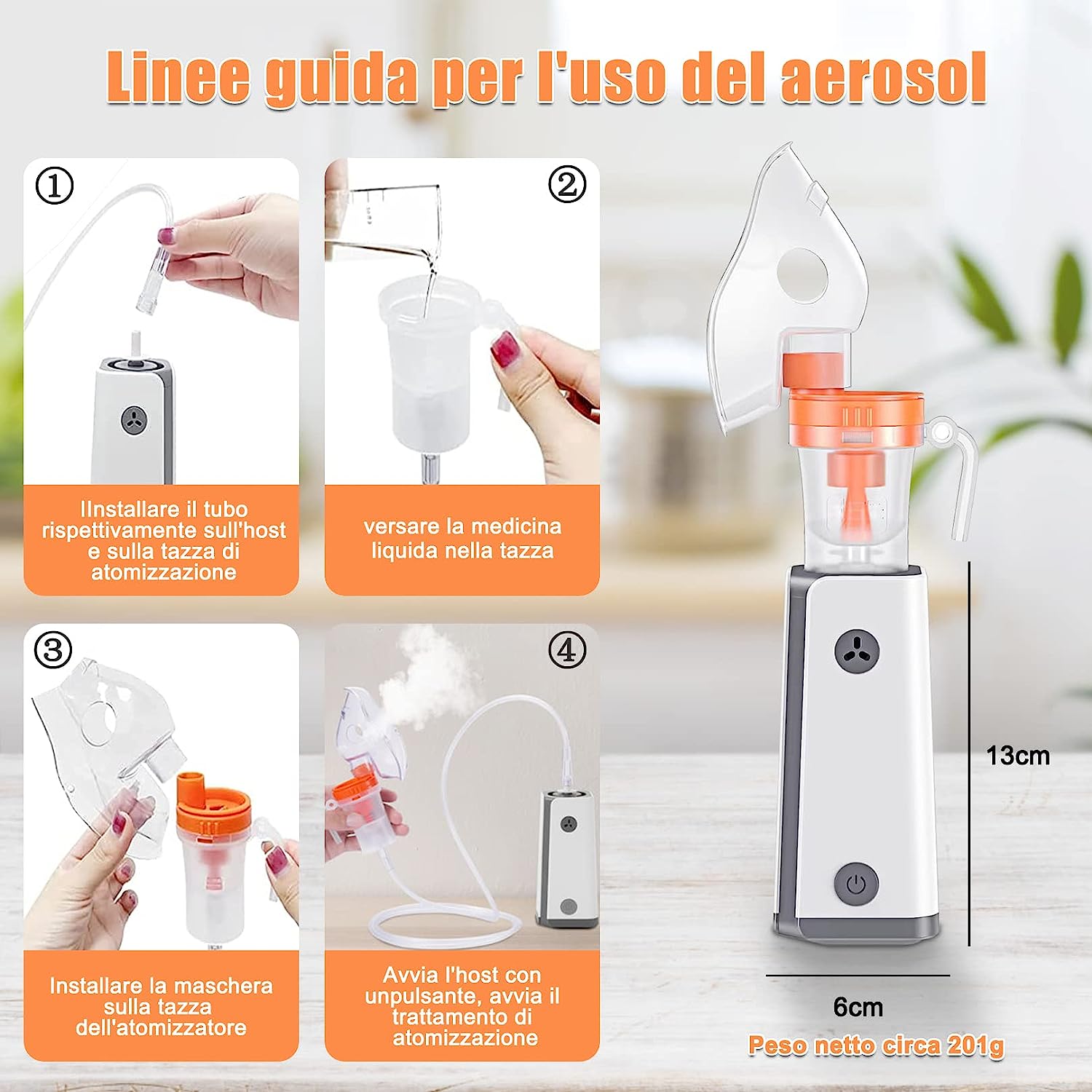
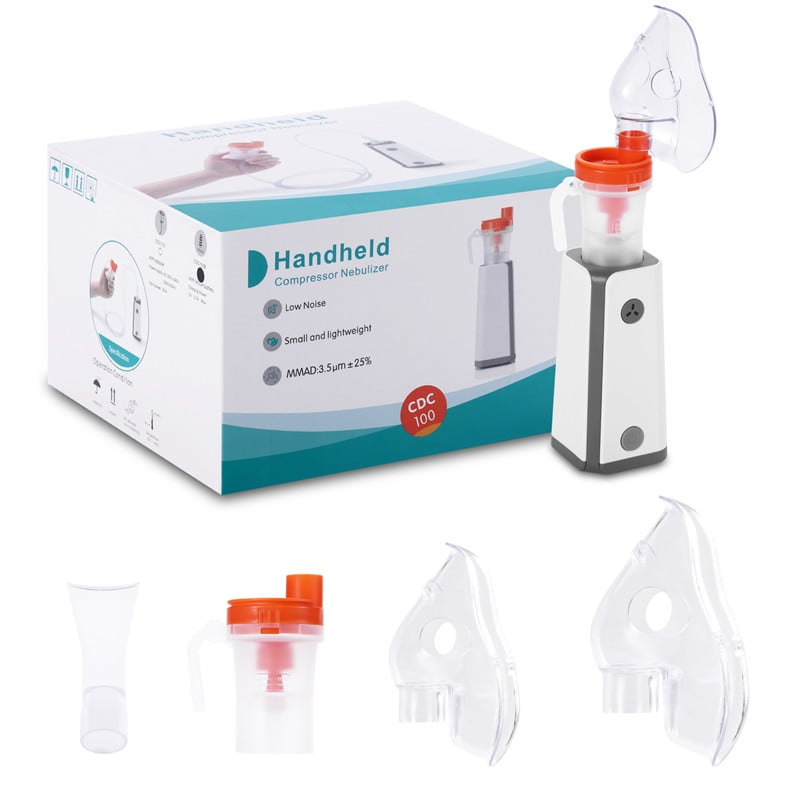
Hand-held DC Compressor Nebulizer CDC-100: Reliable Respiratory Therapy with Practical Portability
Respiratory therapy is no longer limited to hospitals or fixed home treatment setups. As patient lifestyles become more mobile and treatment frequency increases, demand for compact, easy-to-use nebulization devices continues to grow. The hand-held DC compressor nebulizer CDC-100 is designed to bridge the gap between traditional compressor performance and modern portability expectations, providing stable atomization therapy in a more user-friendly format.
Developed by Shenzhen Fitconn Technology Co., Ltd., a manufacturer focused on household medical devices and respiratory care products, the CDC-100 reflects years of engineering experience in atomization technology and home medical equipment development. Fitconn’s product ecosystem covers mesh nebulizers, compressor nebulizers, oximeters, and other home healthcare devices used in more than 150 countries worldwide.
After this first mention, we will refer to the company as Fitconn.
A Practical Approach to Daily Nebulization Needs
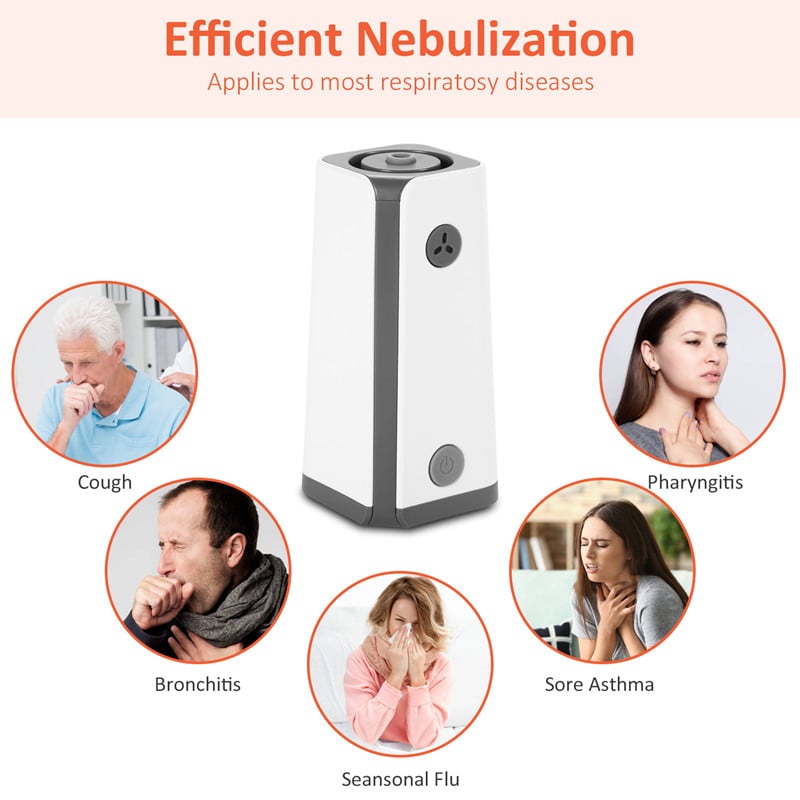
Unlike many devices that focus purely on miniaturization, the CDC-100 takes a balanced design approach. It maintains compressor-based atomization reliability while optimizing usability for real-life treatment routines. For patients with chronic respiratory conditions such as asthma, COPD, bronchitis, or seasonal airway inflammation, consistency and ease of use often matter as much as portability.
The CDC-100 focuses on making therapy accessible without sacrificing atomization effectiveness. Compressor nebulizers are widely trusted for delivering medication particles efficiently into both upper and lower respiratory tracts, making them suitable for a wide range of respiratory therapy needs. Fitconn’s DC compressor technology continues this legacy while adapting it to smaller and more convenient form factors.
Designed for Real Users, Not Just Clinical Environments
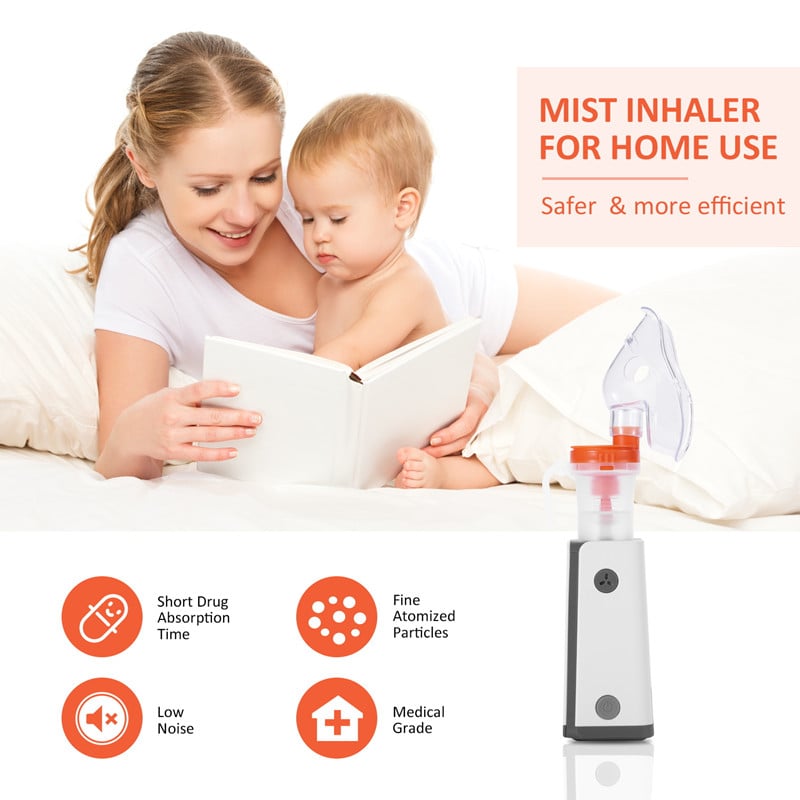
The hand-held form factor of the CDC-100 changes how patients interact with nebulization therapy. Instead of requiring a tabletop setup or stationary environment, users can hold the device naturally in one hand, making treatment easier during daily routines. This is especially helpful for elderly users, caregivers assisting children, or individuals who require frequent therapy sessions throughout the day.
The weight-controlled structure (≤300g in your provided spec) helps reduce hand fatigue during longer treatment sessions. For many users, therapy sessions last 10–20 minutes, so ergonomics directly affect comfort and compliance. When therapy devices are easier to use, patients are more likely to follow prescribed treatment schedules consistently.
The device is also designed to support multiple use environments. Whether used at home, during travel, or in outpatient care settings, the CDC-100 offers flexible therapy accessibility without requiring large equipment setups.
Low Noise Operation Improves Therapy Acceptance
Noise is one of the most overlooked factors in nebulizer usability. Traditional compressor nebulizers are often associated with loud mechanical sound, which can discourage regular use, especially for children or nighttime therapy sessions.
The CDC-100 operates at ultra-low noise levels (≤40dB under working conditions according to your material). This noise range is comparable to a quiet library or soft indoor background sound, allowing treatment without disturbing family members or nearby coworkers.
Low noise is particularly important for:
1. Pediatric therapy during sleep hours
2. Elderly patients sensitive to mechanical sound
3. Shared living environments
4. Long-term therapy users requiring multiple daily sessions
By reducing sound stress, the CDC-100 helps improve long-term therapy adherence, which is critical for chronic respiratory disease management.
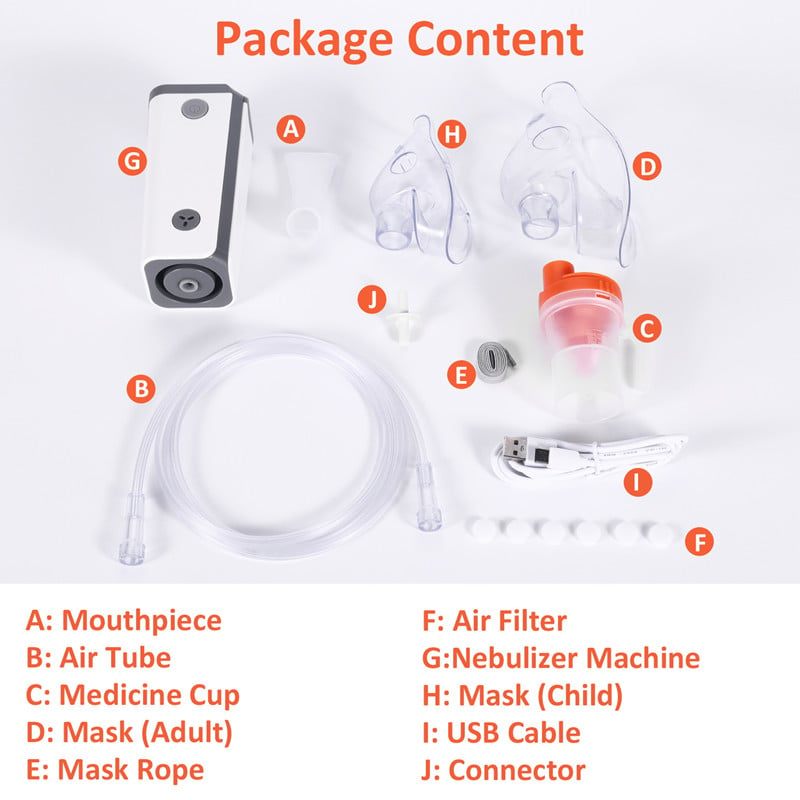
Stable Atomization Performance Comparable to Traditional Compressors
Portability alone is not enough if atomization performance suffers. The CDC-100 is engineered to maintain compressor-level aerosol generation capability, ensuring medication can be delivered effectively into the respiratory tract.
Compressor nebulizers are known for producing consistent aerosol particles suitable for respiratory therapy. Fitconn’s DC compressor designs focus on delivering fine mist particle sizes and stable output rates suitable for common respiratory medications and treatment plans.
Based on available industry and product listing references, CDC-100-type compressor nebulizers typically support:
1. Stable atomization rate delivery
2. Consistent particle size distribution
3. Reliable output gas flow
4. Low residual medication waste
These characteristics help ensure medication is delivered efficiently, which is essential for treatment effectiveness.
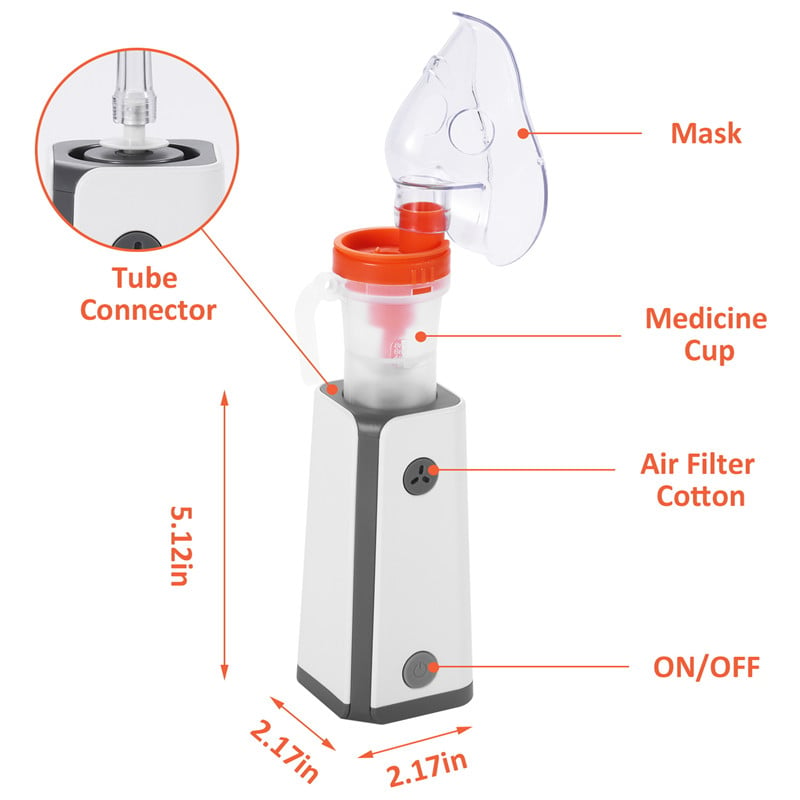
Built for Everyday Therapy Reliability
Reliability in daily medical devices is critical. Fitconn focuses heavily on quality control, certification, and manufacturing standards. The company holds ISO13485 quality system certification and has multiple patents supporting ongoing product development and innovation in medical device technology.
For end users, this translates to:
1. Stable long-term performance
2. Reliable manufacturing quality
3. Compliance with international medical device standards
4. Safer daily therapy experience
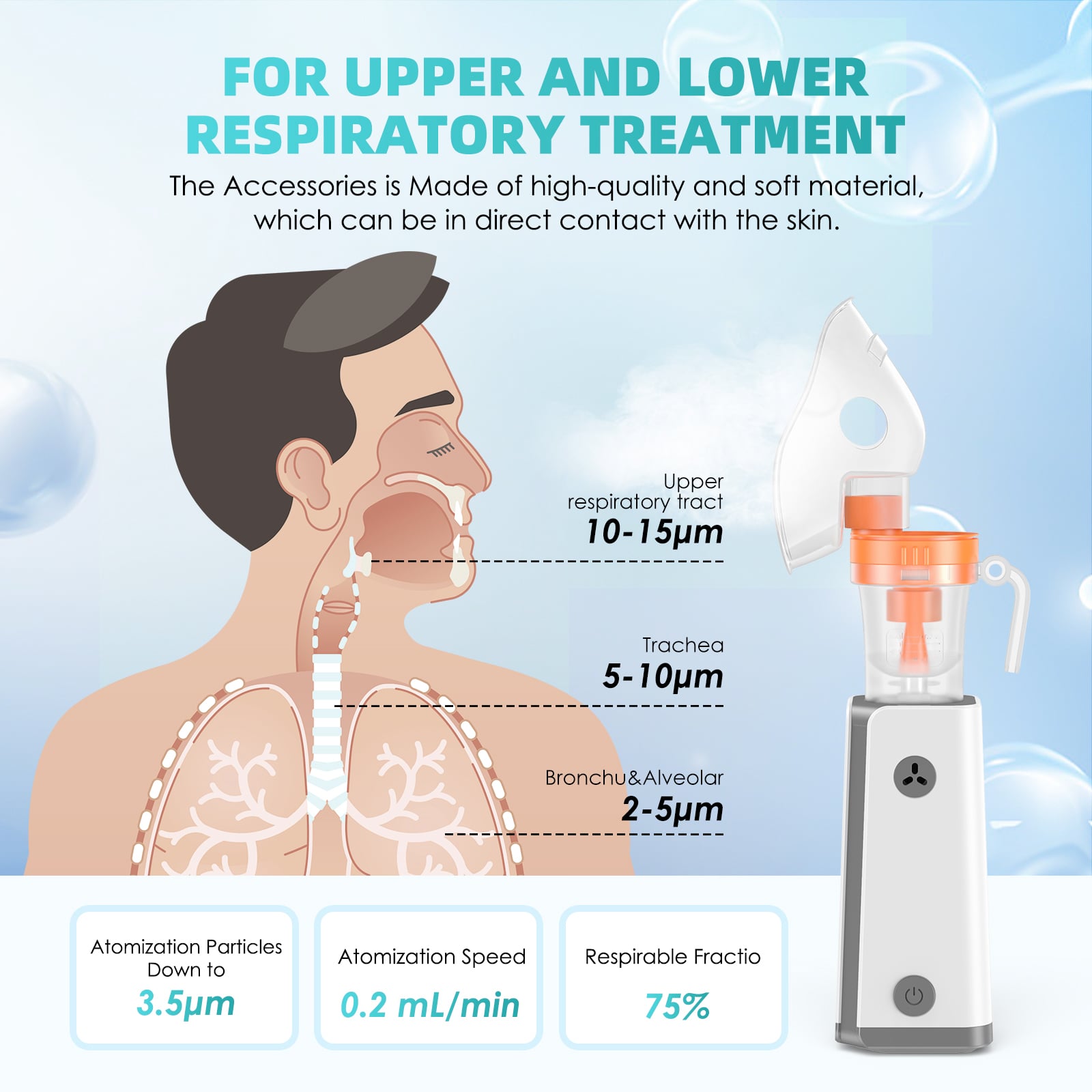
Technical Snapshot (CDC-100)
Product Type: DC Compressor Nebulizer
Model: CDC-100
Noise Level: ≤40dB
Atomization Effect: Comparable to traditional compressor nebulizers
Weight: ≤300g
Design Type: Hand-held portable structure
(Some industry references show compressor nebulizers in this category typically support strong airflow output and stable atomization rates suitable for home and clinical respiratory therapy use.)
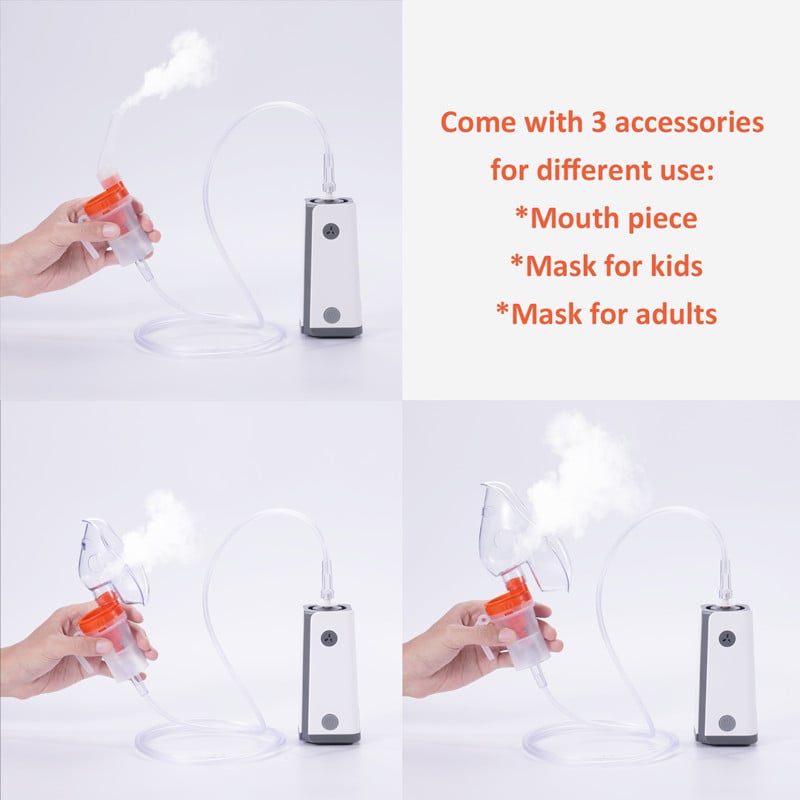
Frequently Asked Questions
Q: Is the CDC-100 suitable for patients with limited hand strength?
A: Yes. The hand-held ergonomic structure and controlled device weight help reduce grip fatigue. It is designed for easy handling during standard treatment sessions. Users should still follow medical professional guidance for therapy duration and medication usage.
Q: Does portability affect atomization efficiency?
A: No. The CDC-100 is designed to maintain compressor nebulizer atomization performance while improving portability. This allows patients to maintain treatment quality while gaining mobility flexibility.
Q: Can the CDC-100 be used with pediatric nebulization medications?
A: Yes. The device is compatible with most standard nebulizer medications, including pediatric formulations. Always consult a pediatrician or doctor before starting treatment.
Conclusion: A Balanced Choice for Modern Respiratory Therapy
The CDC-100 is not designed to be the smallest nebulizer on the market. Instead, it is designed to be a reliable, practical, and user-oriented respiratory therapy device that supports daily treatment needs in real-world environments.
For patients who want:
● Proven compressor nebulization performance
● Comfortable hand-held usability
● Quiet operation for daily life
● Reliable therapy support for chronic respiratory care
The CDC-100 provides a strong balance between clinical reliability and daily convenience.